
Clothing Prototype Development From Design to First Sample

A first garment prototype doesn’t have to mean a large production commitment. Clothing prototype development for startups turns a design into an early garment that tests its shape, construction and function before bulk production. A first prototype can often be created within one to two weeks after the pattern and materials are prepared.
A prototype and a production sample serve different purposes. The prototype reveals what needs refining; the approved pre-production sample becomes the reference for manufacturing. This distinction helps startups develop a product carefully before committing to a larger order.
This guide explains what prototyping involves, how revisions fit into development, and when 3D visualization or physical sampling makes sense. You’ll also learn what can affect timing and minimum order quantities, so you can plan the move from design concept to first sample with clearer expectations.
Table of Contents
What is the difference between a garment prototype and a garment sample?
A prototype tests a design before full production, while samples may focus on fit, sizing, or approval. Knowing which stage a garment has reached helps startups make targeted revisions before approving bulk manufacturing.
Prototype and Production Sample Differences
A prototype is an early garment used to test a design’s structure, function, and construction. A pre-production sample, by contrast, is the approved reference for mass production. The distinction helps a startup resolve design questions before setting the factory’s production standard.
A fit sample helps assess measurements and comfort on a fit model who reflects the target customer. A size-set sample checks grading across the size range, showing whether proportions hold beyond the initial size. These samples answer different questions, so approval at one stage does not replace review at another.
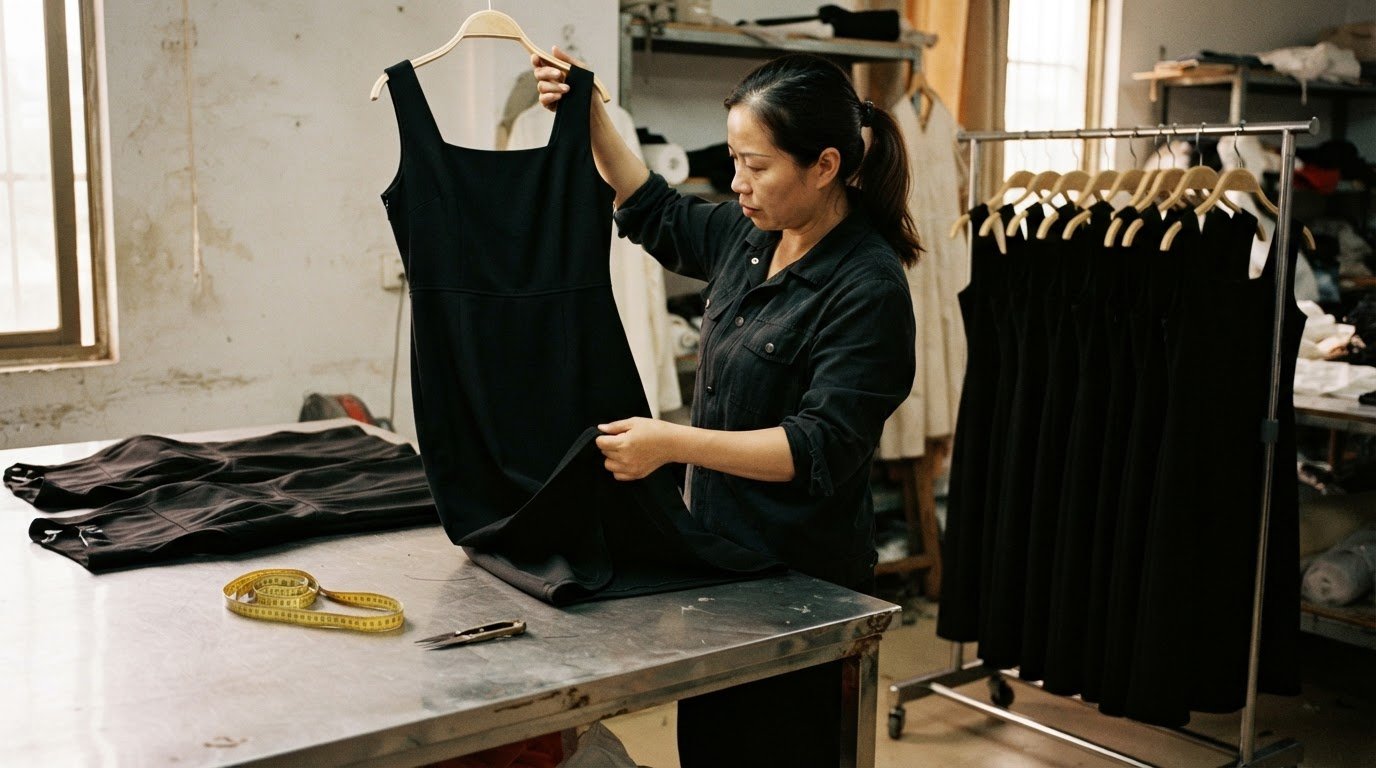
Before mass production, approve a physical pre-production sample. It lets the team assess the actual fabric’s feel and drape, as well as seam construction, rather than relying on a digital view or substitute material.
Cost, Risk, and Material Waste
Prototyping can expose design and manufacturing issues while changes are still limited to development. For example, a complex seam or impractical sewing method can be reconsidered before it is repeated across a production run. Accurate prototypes and focused revisions can also help avoid unnecessary samples and material waste.
The number of revisions depends on garment complexity, fit issues, and how clearly feedback identifies the needed changes. There is no universal sample count before production. Specific notes, such as adjusting a sleeve opening, give the next version a clear point to test.
Domestic and overseas prototyping costs and timelines depend on the provider’s production process, materials, communication, and shipping arrangements. Compare the full development workflow, not location alone, when planning timing and budget.
Set out written terms for design and pattern ownership, confidentiality, and how either party may use sketches or samples. Clear terms establish expectations before development begins.
A typical workflow reviews the design and specifications, prepares patterns and materials, constructs a prototype, assesses fit and function, then revises it before physical sample approval. The number of revisions depends on what each review reveals.
3D virtual prototyping versus physical sampling
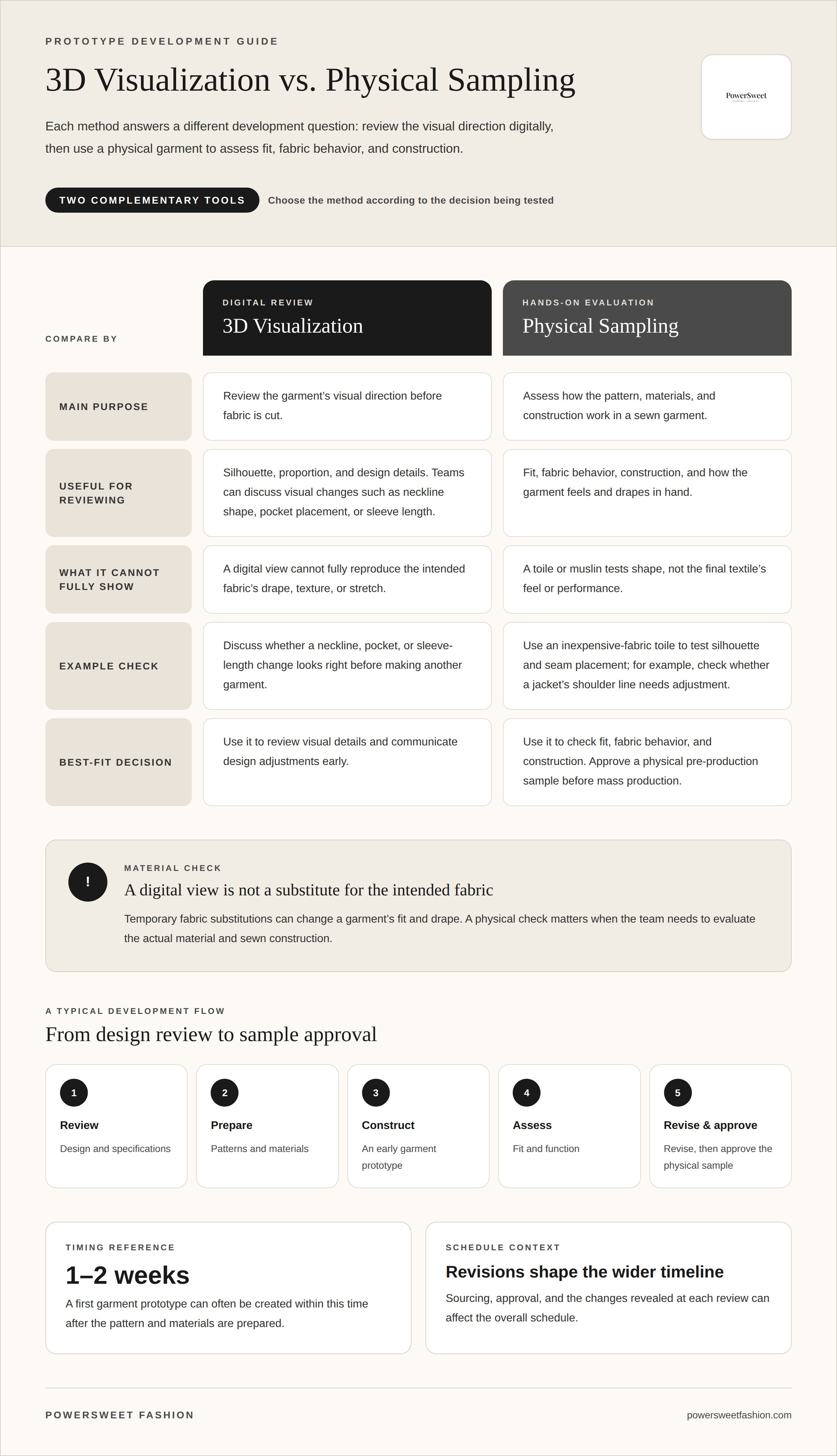
Three-dimensional prototyping creates a digital garment view before fabric is cut. It helps brands assess silhouette, proportion, and design details early, while physical sampling shows how materials and construction behave in hand. The methods answer different questions and can be used at distinct development stages.
In clothing prototype development for startups, a 3D model can help teams review visual changes before making another garment. It makes adjustments to neckline shape, pocket placement, or sleeve length easier to discuss. But a digital view can’t fully reproduce the drape, texture, or stretch of the intended fabric. Temporary fabric substitutions can also change a garment’s fit and drape, making a physical check important.
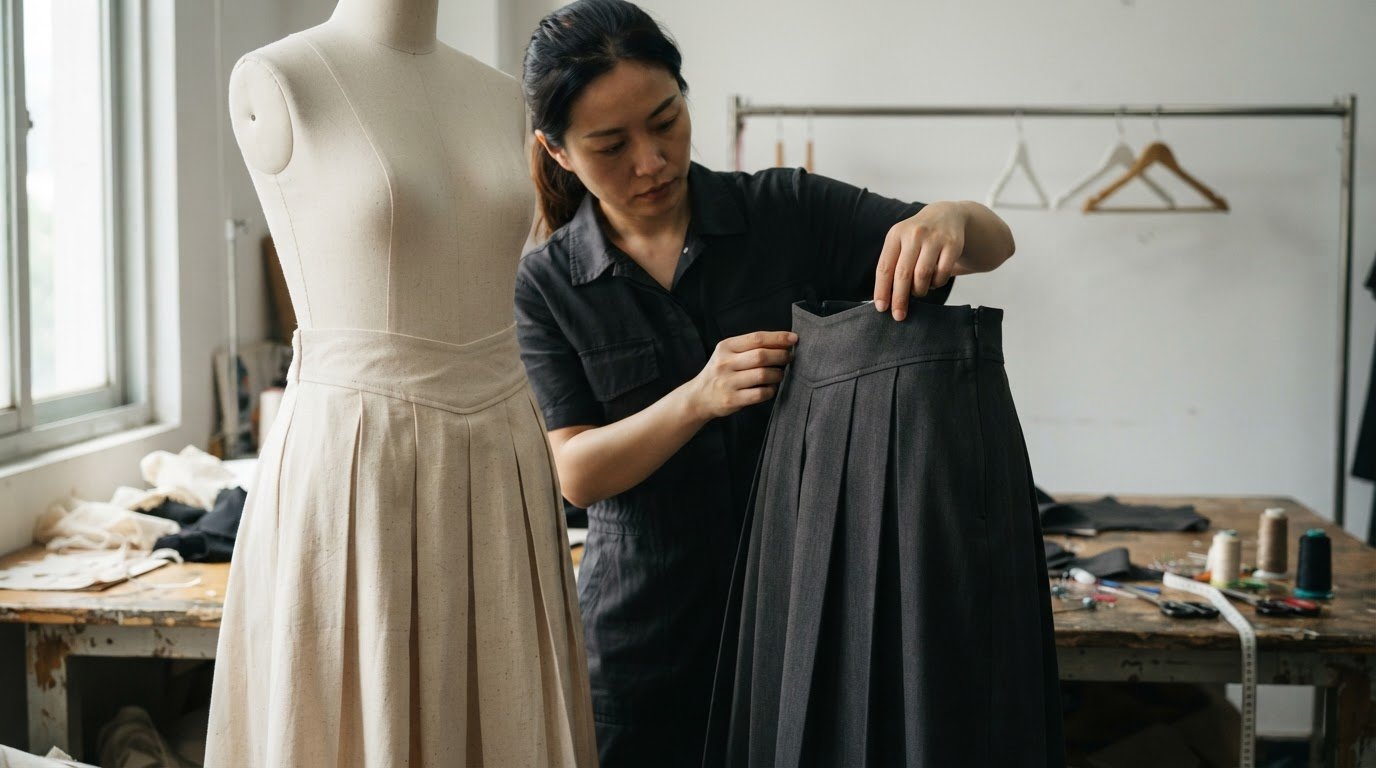
A toile or muslin is a physical prototype made from inexpensive fabric. It lets the development team test silhouette and seam placement before cutting the final textiles. For example, a muslin can show that a jacket’s shoulder line needs adjustment. It tests shape, not the final textile’s feel or performance.
A pattern maker develops or adjusts the pattern; a sample maker turns the pattern and material into a garment; an apparel manufacturer organizes production. Some teams combine these roles, so startups should clarify who handles each stage and communicates revisions.
For clothing prototype development for startups, look for a workflow that connects pattern work, sampling, and manufacturing, with clear specifications and revision feedback. A defined handoff helps keep the digital design, paper pattern, and sewn garment aligned.
Success comes from matching the method to the decision: use 3D to review visual details, and physical sampling to assess fit, fabric behavior, and construction. For clothing prototype development for startups that needs hands-on garment evaluation, physical sample development can turn approved design direction into a garment the team can assess.
How long does apparel prototyping take?
A first garment prototype can often be created within one to two weeks after its pattern and materials are prepared. Sample development can have samples ready in 10 days, while revisions, sourcing, and approval affect the wider schedule. Clear technical preparation and prompt communication help designers and manufacturers avoid preventable delays.
A useful brief gives the team a clear design target. Include sketches, garment measurements, intended fit, construction details, artwork placement, and the intended customer and use. Name preferred fabrics and trims when known, and explain performance expectations, such as stretch or recovery. If the design is still evolving, mark which decisions remain open.
A factory-ready tech pack turns the brief into specifications for pattern and sample development. It typically includes sketches, measurement specifications, graded size rules, a bill of materials, construction callouts, artwork placement, label and packaging instructions, and tolerances. These details help the production team interpret the design consistently and identify missing decisions before cutting.
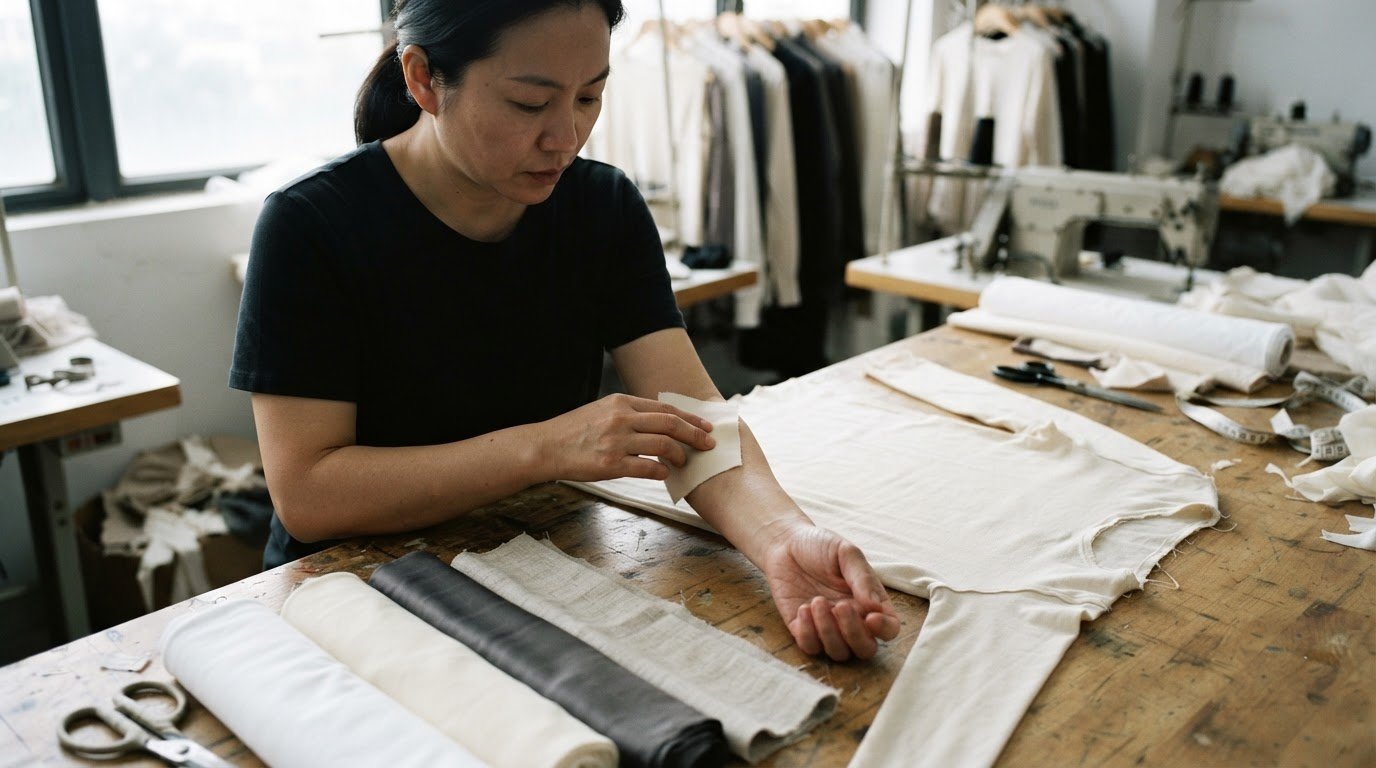
The bill of materials, or BOM, lists each garment component, including fabric and trims. A fabric-sourcing professional can help match material options to the intended look, function, and construction. For performance fabrics, specify weight in GSM, composition, stretch and recovery, and recommended care. Solid colors may need lab dips for color review; prints may need strike-offs.
Preparation takes time, too. A pattern cannot be tested accurately until the relevant materials are ready, and substitute fabric may change the drape or fit. Unclear measurements, missing construction details, or slow revision approvals can also cause delays. A versioned record helps designers and manufacturers track what changed and why.
Before production, define measurement tolerances, workmanship standards, performance expectations, and who approves each stage. Clear specifications give sample review a practical standard, while focused feedback helps the next revision address the actual issue without reopening settled design decisions.
Low minimum order quantities
A low minimum order quantity can help a startup test a clothing concept without committing to a large first buy. Smaller production runs let brands learn from customer feedback, then refine the design or adjust a later order. For clothing prototype development for startups, plan the initial quantity around what the prototype has helped the team learn.
Manufacturing requirements shape the order threshold. A style using readily available fabric and straightforward sewing may be easier to produce in a small run than a complex garment with custom materials, multiple colors, or specialized construction. Fabric availability, trim choices, pattern requirements, and the planned size range can all affect how production is organized.
Low minimums are useful when the goal is to test demand, confirm fit, or introduce a focused first assortment. For example, a startup might produce a limited run of one established style to present at pop-ups or trade presentations, gather feedback on fit and fabric, and apply those findings to a later order. Brands staging these early physical showcases often rely on professional event signage and displays from Banner 4 Sale to present their new collection effectively. This overall strategy helps reduce the risk of holding more inventory than early sales support.
Quantity alone does not determine whether a first order makes sense. The assortment matters, too: offering several styles, colors, and sizes divides the run across more product variations. A narrow initial selection can make production easier to manage while still giving the brand useful customer feedback.
Before committing, align the intended quantity with the approved design, available materials, size distribution, and production requirements. A low minimum does not remove the need to approve the physical production sample or confirm bulk materials. Those checks connect prototype decisions with the garments being made, tying clothing prototype development for startups to a realistic first production plan.
The practical takeaway is to treat the first order as a measured market test, not simply a smaller version of a large production run. If your launch needs a smaller initial commitment, discuss low-minimum clothing production around your design and assortment. This helps clothing prototype development for startups lead into a production quantity suited to the launch.
PowerSweet Fashion: Custom Women's Clothing Production
PowerSweet Fashion supports startups developing women’s garments, from an initial concept through sample development and custom production. Turn to the team for help translating design details into a physical sample or aligning fabric choices with the garment’s intended fit and construction.
Fabric sourcing helps connect material selection to the design, while sample development gives you a garment to assess before production. Quality control services support attention to consistency as garments move through manufacturing. PowerSweet Fashion offers low minimum order quantities, with samples ready in 10 days and bulk production in 15-20 days.
Share your design direction, specifications, material preferences, and intended order scale to begin a focused discussion about development. Contact PowerSweet Fashion to discuss your clothing project.
Move your design toward a first sample
The next step is to turn your product idea into a focused development brief. Set out the intended customer, how the garment will be used, the fit you want, and which design details matter most. Clear priorities help the development team distinguish essential requirements from choices that can be refined during sampling.
For startups, clothing prototype development works best when the first sample has a defined purpose. It might test the silhouette, confirm a fabric direction, or resolve a construction detail. Choose the decision that most affects the garment’s success, then make it the focus of the initial review.
You don’t need every design question settled before starting. A clear concept and useful specifications give the development process a practical place to begin, while feedback can guide the next decisions. Contact PowerSweet Fashion about your prototype to discuss your garment concept and move toward a first sample with confidence.
Frequently Asked Questions
What Is Clothing Prototyping?
Clothing prototyping turns a design concept into a garment that can be assessed before production decisions are finalized. It gives a startup a physical or digital way to see whether the design works as intended. For example, a prototype can reveal that a closure is awkward to use or a pocket interferes with movement, prompting focused refinement.
Why Is Garment Sample Making Important?
Garment sample making gives a brand a chance to evaluate real construction before committing to a production run. A sample can reveal practical issues that drawings may miss, such as a difficult fastening or a seam that changes the garment’s appearance when sewn. Reviewing these details helps the team make informed design decisions and communicate its standards clearly.
How Do You Work with a Prototype?
Assess the prototype against the garment’s intended purpose, not just its appearance. A startup can review whether the design suits its target customer, supports the intended movement, and reflects the brand’s priorities. In demanding niches like martial arts and combat sports—exemplified by the fightwear and gear available at thefightclub.com.au—testing movement under strain is essential. The development team can then translate feedback into specific adjustments, keeping the next version focused on the decisions that matter most.
How Much Does Clothing Prototype Development Cost in the United States?
Prototype development costs depend on the design, construction, materials, and pattern work involved; there is no single price for every garment. PowerSweet Fashion provides a quote after receiving the pattern, tech pack, and fabric details. If you do not have a pattern, PowerSweet Fashion can create one before sampling and provide a quote.
How Long Does It Take to Create a Clothing Prototype or Sample?
The schedule depends on whether the pattern and materials are ready, how complex the construction is, and how quickly design decisions are approved. Sourcing a specific fabric or changing measurements can add development work. Clear specifications and timely feedback help keep progress orderly, while each revision takes time to make and assess before the next decision.
How Can a Clothing Manufacturer Help Startups Prepare a Tech Pack?
A clothing manufacturer can review a startup’s design information and identify details that need clearer production instructions. For example, the team can clarify how a seam should be sewn or where artwork belongs, then align those choices with the garment’s pattern and materials. This collaboration helps translate the designer’s intent into specifications the production team can follow consistently.
Comments