
Creating a Minimum Viable Product for a Fashion Line: Costing a Small Run

A polished full collection is often the wrong first test. A minimum viable product is the simplest version that meets early adopters’ needs. For a fashion line, creating a minimum viable product means testing one focused product question with a complete, useful garment. The goal is to learn what customers value before committing to a wider range.
It makes sense to seek clear feedback before investing in production. But a sample can answer only the question it was designed to test, and a sample in one size cannot validate fit across an entire size range.
This guide explains how to choose a focused clothing MVP question, gather feedback through fittings or market conversations, and gauge online interest with a landing page, waitlist, or preorder. It also covers factors that shape the cost of a small production run, from sample development and fabric choices to order quantity and quality checks. You’ll have a practical path from concept to a more informed production decision, without treating early interest as proof that every detail is ready to scale.
Table of Contents
How a production partner can support feedback at markets or fittings
How a production partner can support testing interest and preorders in an online shop
How a production partner can help choose a specific question for a clothing MVP
How a clothing manufacturer estimates the cost of a small production run
How a production partner can support feedback at markets or fittings
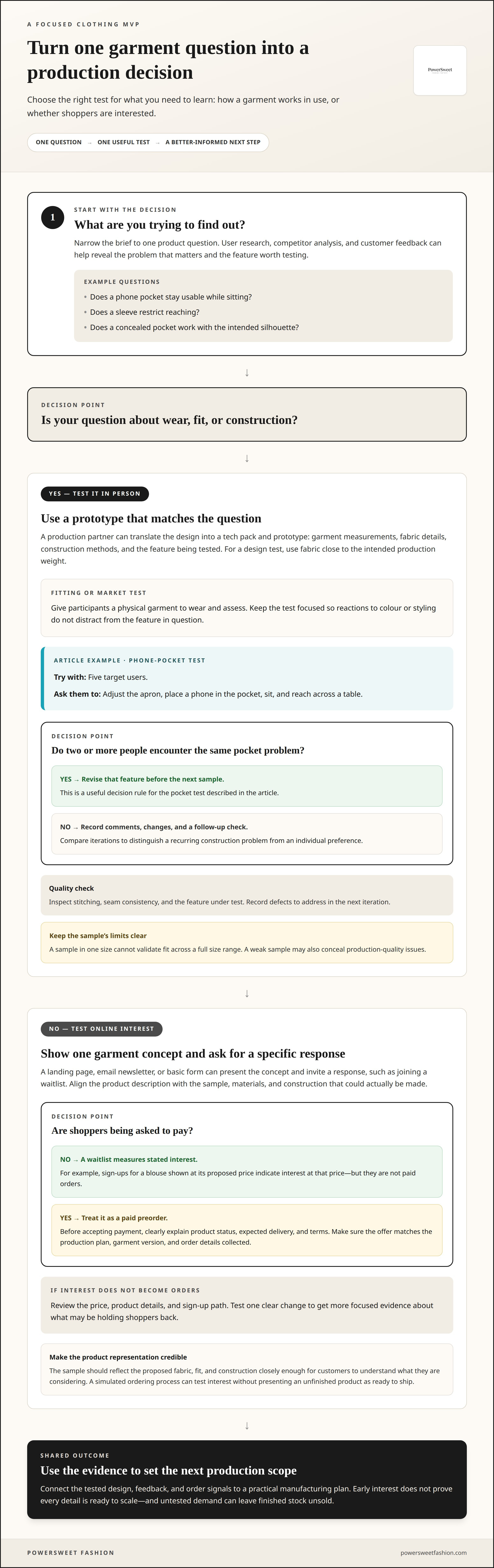
A production partner can turn fitting-room reactions into specific pattern or construction decisions. Before a fitting or market test, align the sample with one question, such as whether a pocket stays usable while sitting. That focus keeps comments about colour or styling from obscuring the feature being evaluated.
For a fashion tech pack and prototype, the partner translates the design into production instructions, including garment measurements, fabric details, construction methods, and the feature under test. The prototype gives participants a physical garment to wear and assess. A sample intended to test a design should use fabric close to the intended production weight.
Situation: An apron designer wants to know whether a phone pocket works during everyday tasks. Action: The partner arranges a trial with five target users, who adjust the apron, place a phone in its pocket, sit, and reach across a table. Result: If two or more people encounter the same pocket problem, a useful decision rule is to revise that feature before the next sample.
Feedback between iterations should connect each comment to a change and a follow-up check. For example, if several fitting participants say a sleeve restricts reaching, record the movement issue, adjust the relevant pattern area, and present a revised sample for another fitting. Comparing the results helps distinguish a recurring construction problem from an individual preference.
What are the risks of launching a fashion MVP? Sizing, quality, and unsold inventory each create distinct risks: one sample size cannot validate fit across a full size range, a weak sample may conceal production-quality issues, and untested demand can leave finished stock unsold. A focused trial helps expose these risks before expanding the run.
Quality feedback also needs a defined inspection point. A production partner can examine stitching, seam consistency, and the tested feature on the sample, then record defects to address in the next iteration. This makes market reactions useful production input, rather than general opinions about whether someone likes the garment.
How a production partner can support testing interest and preorders in an online shop
An online test can measure interest before a full production commitment. A landing page, email newsletter, or basic form can present one garment concept and invite a specific response, such as joining a waitlist. The production partner helps align the product description with the sample, materials, and construction that could actually be made.
Can a clothing manufacturer support preorders, made-to-order, or small-batch inventory for a new fashion line? Yes. A manufacturer can help translate the selected product and expected order volume into a production plan, so preorder demand can inform a small run rather than an untested assortment.
Situation: A brand is unsure whether customers want a particular blouse at its proposed price. Action: The team publishes a landing page showing the design and price, then collects waitlist sign-ups. Result: Sign-ups indicate interest at that price, but they are not equivalent to paid orders.
A production partner can help make the product representation credible. The sample should reflect the proposed fabric, fit, and construction closely enough for customers to understand what they’re considering. If the brand uses a simulated ordering process, the page can test whether shoppers value the concept without presenting an unfinished product as ready to ship.
Separate interest from commitment. A waitlist measures stated interest, while a paid preorder asks customers to commit. Before accepting payment, clearly explain the product’s status, expected delivery, and terms. Ensure the online offer matches the production plan, including the garment version being made and the order details collected.
Situation: A new label gets waitlist interest for a dress but few paid preorders. Action: It reviews the page’s price, product details, and sign-up path, then tests one clear change. Result: The response to that change offers more focused evidence about what may be holding shoppers back.
Use the findings to guide the next production decision. A small-run clothing production plan can connect the tested design and order signals to a practical manufacturing scope.
How a production partner can help choose a specific question for a clothing MVP
A focused MVP starts with a decision, not a broad collection brief. For a team creating a minimum viable product for a fashion line, connect the objective, such as market validation, to one garment question. User research, competitor analysis, and customer feedback can reveal which problem matters and which design features are essential.
Situation: A label has sketched several dresses for busy commuters. Action: The team narrows the test to one feature, such as whether a concealed pocket works with the intended silhouette. Result: Sample development can focus on that feature, making feedback easier to interpret than testing unrelated details together.
Choose a target customer by defining the wearer, use occasion, and unmet need. For instance, just as specialized performance labels like Otomix tailor workout garments to the mobility demands of lifters, a brand might focus on office commuters who want a dress with practical storage. The partner can translate that brief into garment specifications, then help assess whether the sample addresses the stated need.
What US labeling, textile, and care-instruction rules apply to clothing brands? Requirements depend on the garment and its intended market. Include label and care-information review in the product specification, then assess the details against applicable US requirements before production.
How can a clothing manufacturer advise on the number of styles and sizes for a fashion MVP? A production partner can help limit the test to the styles and size coverage needed to answer its main question. A single style may isolate a design feature, while fit validation requires more than one sample size to assess a full size range.
Situation: A startup plans several tops, colours, and fits before testing demand. Action: The team maps each option to its learning goal and identifies which choices are necessary for the test. Result: The brand can focus sampling on a clearer MVP scope instead of treating every concept as equally important.
Keep the question measurable through customer feedback. If the test concerns sleeve mobility, ask wearers to reach, bend, and describe any restrictions. If it concerns fabric preference, show the relevant material options. For teams creating a minimum viable product for a fashion line, recording comments against the tested feature helps guide the next iteration.
How a clothing manufacturer estimates the cost of a small production run
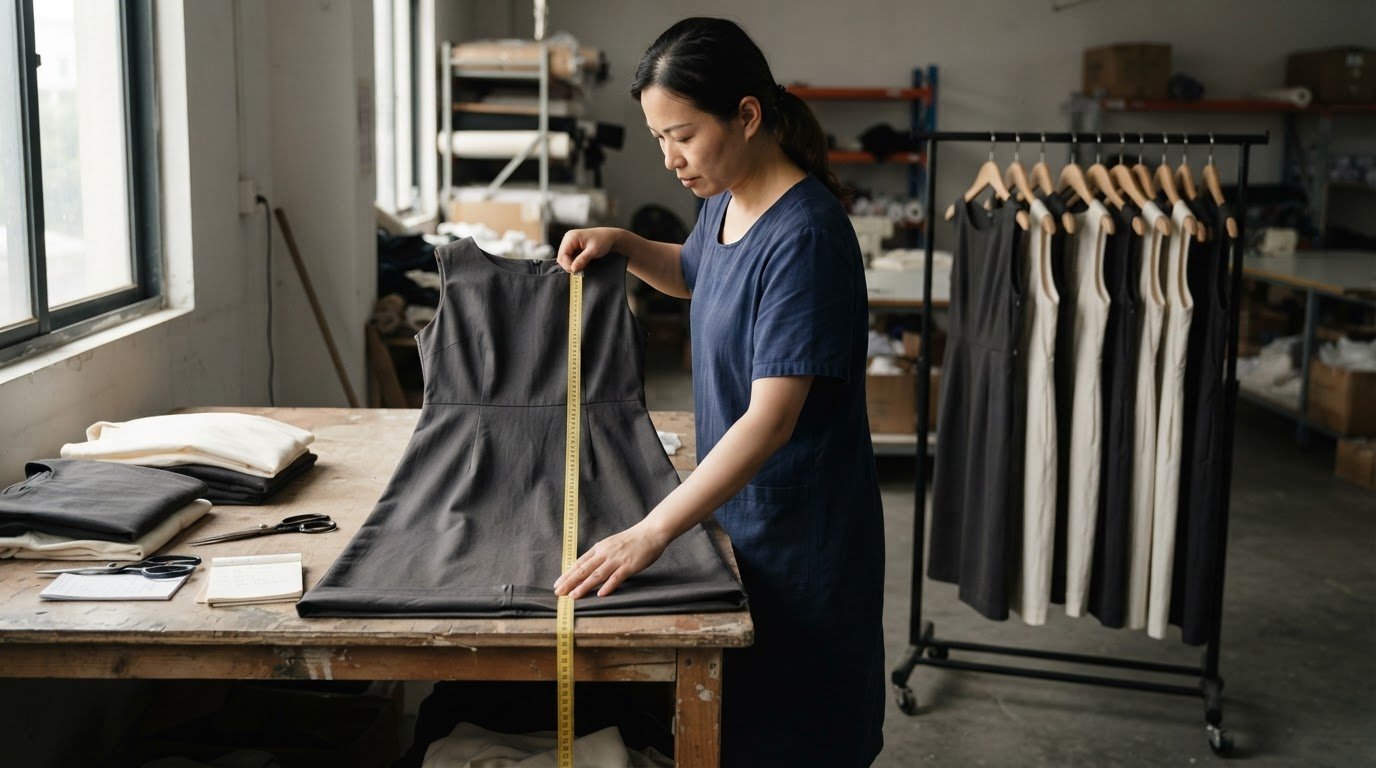
A useful estimate starts with the garment specification, not a generic per-piece figure. The manufacturer reviews the style, fabric, construction, trims, size range, quantity, and required quality checks. Each choice affects the work involved, so a clear specification makes the estimate more meaningful.
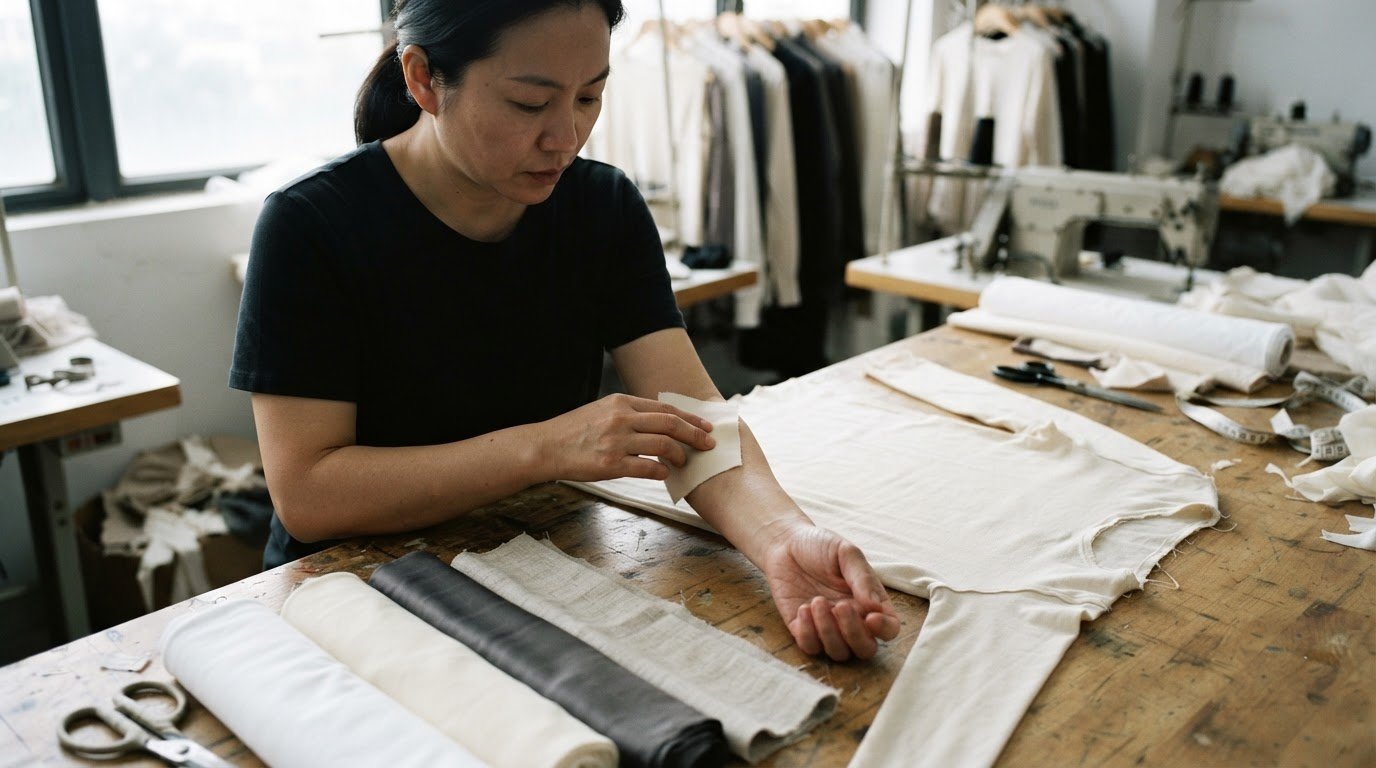
Fabric is a key cost driver. A lightweight woven blouse and a lined jacket require different materials and construction steps. The manufacturer also considers fabric availability, colour choices, and the material required for the requested quantities. Smaller runs can affect material purchasing and production efficiency, so assess quantity alongside the design.
Pattern work, sample development, and production are distinct parts of the cost. A design requiring complex panel shapes or special finishing needs different preparation from a simple top. The estimate should specify which development tasks and production processes it covers, rather than blending them into an unexplained total.
Product scope: style, measurements, construction, and finish.
Materials: fabric type, trims, colour, and sourcing needs.
Run details: order quantity and size assortment.
Quality checks: inspection needs tied to the garment specification.
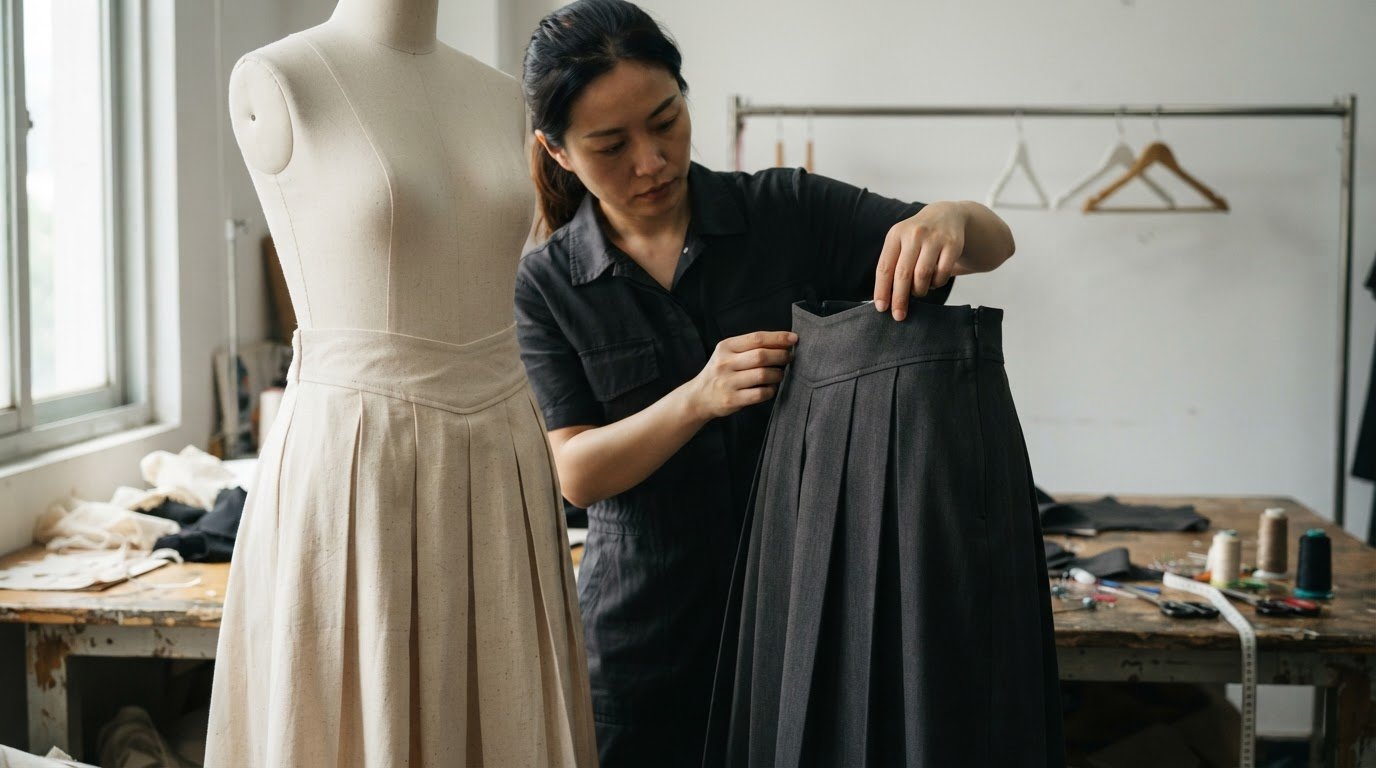
Situation: A startup requests a small run of a lined skirt with custom pockets. Action: The manufacturer reviews the pattern requirements, lining, pocket construction, fabric, and size breakdown. Result: The estimate can show which specifications drive production work and where a simpler design might reduce complexity.
How do you evaluate clothing manufacturers for low minimum order quantities? Compare how each estimate explains the quantity, specifications, included work, and quality checks. A low minimum is useful when the manufacturer can also clearly produce the required construction and size assortment.
For a practical estimate, share the garment design, material direction, size plan, and target run quantity. Discuss your small-run production requirements to connect those details with a production plan.
PowerSweet Fashion: Custom Women's Clothing Production
PowerSweet Fashion supports emerging women’s brands when a focused MVP is ready to move from testing into sample development or a small production run. Its services include custom women’s clothing production, fabric sourcing, and quality control, connecting product decisions with the practical steps needed to make garments.
Bring a clear design direction, intended customer, and feedback from fittings or online interest tests. That information helps shape the sample and production scope. Samples are ready in 10 days, and bulk production takes 15-20 days. Low minimum order quantities support brands planning a smaller initial run.
Turn to PowerSweet Fashion when you need help translating a tested design into a sample or finished garments. Contact PowerSweet Fashion to discuss your clothing production requirements.
Move your tested concept toward production
Your next decision is how to turn customer learning into a production-ready garment. Tie the strongest feedback to a clear product brief, including the intended fit, materials, and construction details. This gives the next development stage a practical purpose and keeps design decisions connected to customer responses.
Creating a minimum viable product for a fashion line is not just a test of interest. It builds a clearer foundation for the product you choose to develop next. PowerSweet Fashion supports that transition through custom women’s clothing production, sample development, and fabric sourcing, with each step aligned to your garment and production needs.
Bring your preferred design direction and the learning you’ve gathered so far. Discuss your next production step with PowerSweet Fashion, and move forward with a more focused plan for your line.
Frequently Asked Questions
What Is A Minimum Viable Product?
A minimum viable product is a focused, usable version of an offering that helps a team learn from early customers. It should deliver real value, not feel like an incomplete placeholder. For a clothing brand, a useful test might be whether a specific cut meets a wearer’s comfort needs. The learning guides the next product decision instead of relying on assumptions alone.
What is a minimum viable product for a fashion line?
For a fashion line, an MVP is a defined garment or small product concept built to test a customer need. For example, a label could develop one everyday shirt to assess whether its neckline and fabric suit a particular use. The product needs to be coherent enough for customers to judge its value. It need not represent every style the brand may eventually offer.
What affects the cost of sampling and producing a small fashion run with a manufacturer?
Cost depends on the design’s construction, fabric and trim choices, pattern requirements, size assortment, order quantity, and inspection needs. A lined garment with several panels uses different materials and work than a simple, unlined piece. For a useful estimate, provide the manufacturer with the design details and production scope. Review sample-development charges separately from production costs.
How do you test demand for a fashion line before production?
Present a specific garment concept to the intended audience, then track meaningful responses. A landing page can collect email sign-ups, while a product page can record actions such as adding an item to a cart. Treat waitlist interest as an indication, not a sale. Before accepting preorders, clearly explain the product’s status, expected delivery, and terms.
How do you price an MVP fashion product and calculate margins?
Start with the garment’s unit cost, then account for other costs that affect selling it, such as packaging, payment processing, fulfilment, and potential returns. Gross margin is the selling price minus unit cost, divided by selling price, expressed as a percentage. Build the calculation around your actual sales channel and operating costs. Review the result against your intended positioning and sales plan.
How do you launch and measure sales for a fashion MVP online?
Launch with a clear product page that describes the garment, shows how it fits, and states the purchase terms. Track visits alongside actions such as sign-ups, add-to-cart activity, completed orders, and cancellations. These measures help identify where interest drops off. For example, visits without cart activity may point to unclear product information, while cart activity without orders may signal friction at checkout.
Comments