%20(1).png)
Custom Clothing Production Small Batch: The 2026 Comparison Guide for Fashion Brands

Updated: Jul 8
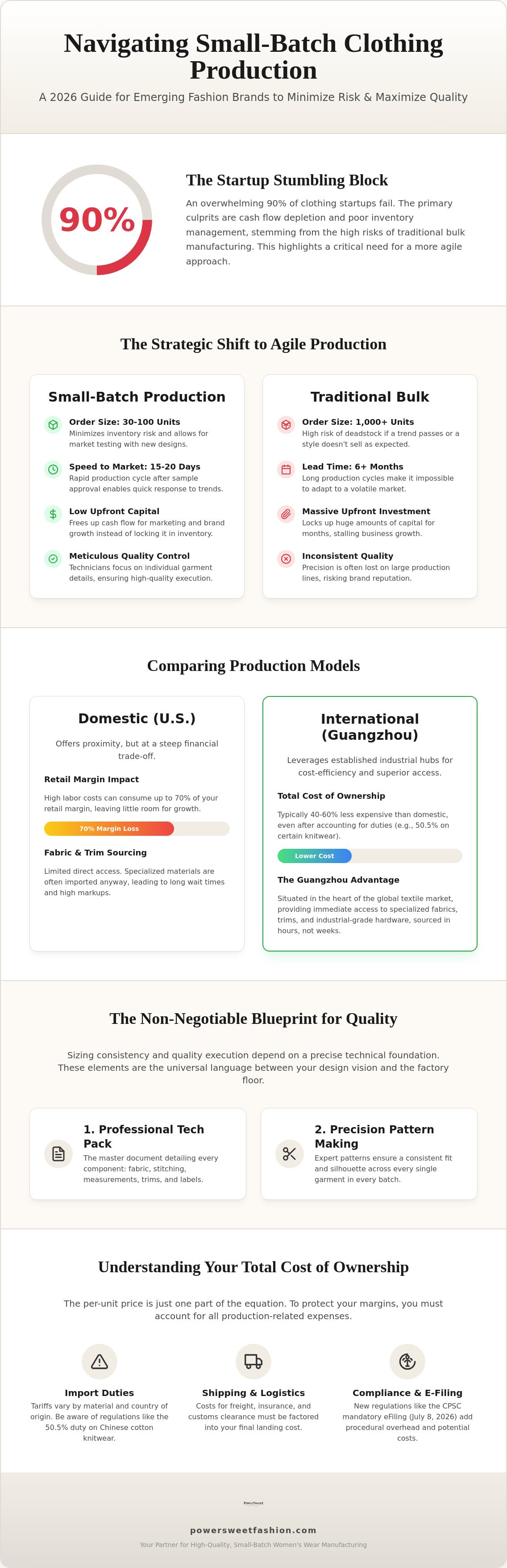
90% of clothing startups fail due to issues with cash flow and inventory management. This data underscores the risk of traditional bulk manufacturing for emerging brands. Leveraging custom clothing production small batch is now a strategic tool for inventory control rather than just a starting phase. It allows you to test market trends with women's wear designs without the burden of excess stock or high upfront costs.
We recognize that the fear of poor quality and slow communication often makes overseas production feel like a gamble. This guide will show you how to navigate the 2026 manufacturing landscape to scale your brand with confidence. We'll compare small-batch options and explain how to handle new regulatory requirements, such as the CPSC mandatory eFiling starting July 8, 2026. You'll discover how to secure fast sample turnarounds and build a partnership that prioritizes precision, transparency, and the high-quality execution your design vision requires.
Table of Contents
What is Custom Clothing Production Small Batch?
Small batch production refers to manufacturing runs typically ranging between 30 and 100 units per style. It represents a significant departure from the traditional high-volume model that required thousands of pieces to justify setup costs. For 2026 fashion brands, custom clothing production small batch serves as a tactical response to a volatile market. It is about agility. Instead of committing your entire annual budget to a single collection, you distribute risk across multiple, smaller releases. This approach ensures you aren't left with thousands of units of a trend that has already passed.
The industry is moving away from the rigid structures of What is Custom Clothing Production Small Batch? where overproduction was the standard. Today, brands prioritize low Minimum Order Quantities (MOQs) to combat inventory depreciation. When you produce 50 units instead of 500, every garment has a higher probability of being sold at full retail price. This protects your margins and ensures your warehouse isn't filled with unsold deadstock that eventually requires deep discounting. It's a pragmatic way to maintain brand value while scaling sustainably.
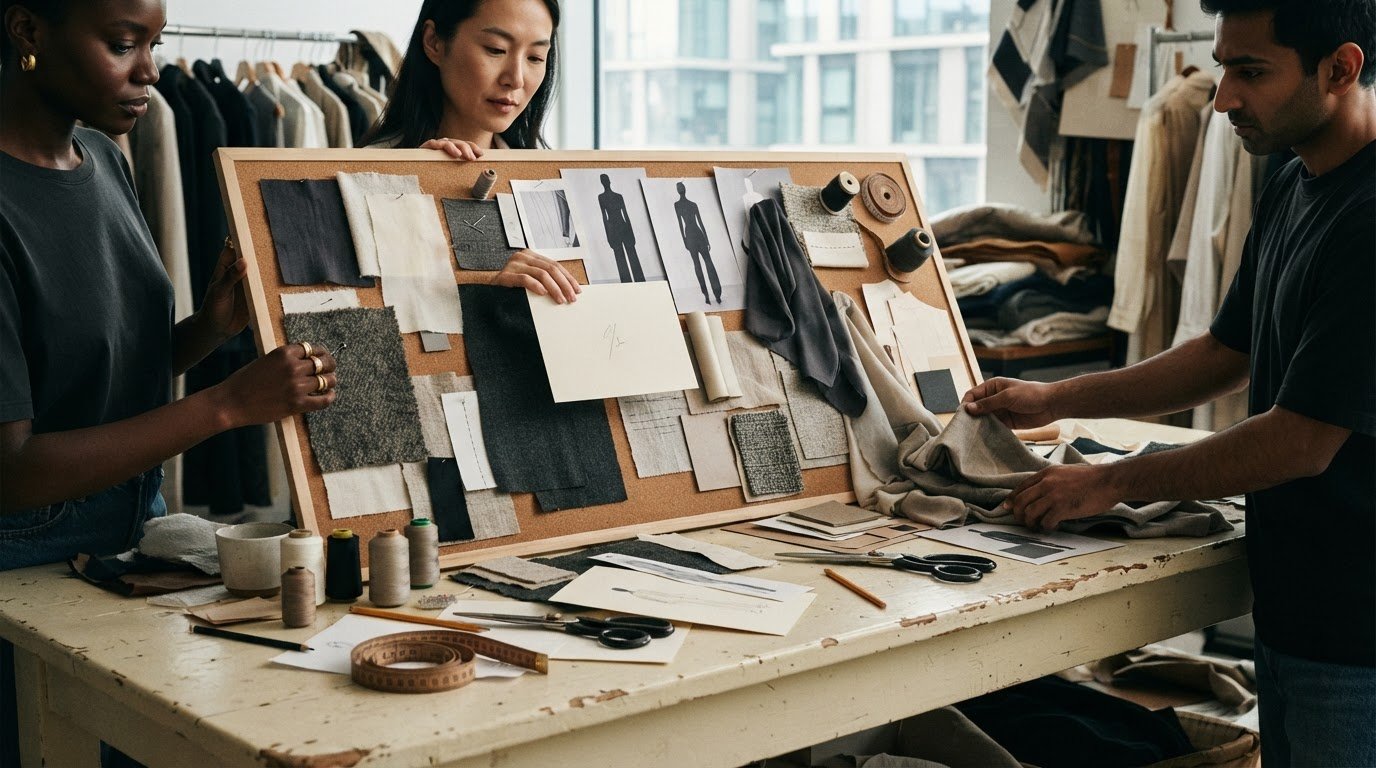
It's also vital to distinguish between "Cut and Sew" and full-package manufacturing. Cut and Sew usually means you provide the fabric and patterns while the factory handles only the assembly. Full-package custom clothing production small batch is an end-to-end service. It includes fabric sourcing, pattern making, and quality control. For a growing brand, the full-package model is often more efficient because it centralizes the entire supply chain under one reliable partner, reducing the logistical burden on your internal team.
Small Batch vs. Bulk Manufacturing: Key Differences
The most immediate difference is the capital requirement. Bulk orders demand massive upfront investment, often locking up cash flow for six months or more. Small batches allow for a 15-20 day production cycle after sample approval. This speed to market is a competitive advantage. Additionally, quality control is often more meticulous in smaller runs. Technicians can spend more time on individual garment details. This allows for a level of precision that is often lost in the noise of a 5,000-unit production line.
The Benefits of Low MOQ for Boutique Brands
Low MOQs act as a safety net for boutique labels. They allow you to test market demand with limited-edition drops or influencer collaborations without heavy financial exposure. By producing less, you actually learn more. You can pivot your designs quickly based on real-time customer feedback from your first small run. This iterative process prevents the "deadstock" risk that kills 90% of new fashion startups. It turns your production line into a responsive tool that powers your creative vision rather than a financial anchor that holds it back.
Comparing Production Models: Domestic vs. International Small Batch
Domestic manufacturing offers proximity and ease of communication, but the financial trade-off is often steep. Labor costs in the US can cause the per-unit price to swell, frequently consuming up to 70% of your retail margin. This leaves very little capital for brand growth, influencer partnerships, or digital marketing. In contrast, international custom clothing production small batch models leverage established industrial hubs to keep costs manageable. While overseas production is typically 40-60% less expensive than domestic US production, brands must account for the 50.5% effective duty on Chinese-origin cotton knitwear as of 2026. Even with these tariffs, the total cost of ownership often remains lower internationally due to the efficiency of the local supply chain.
While Asian hubs are often the first choice for cost efficiency, European manufacturing centers also offer competitive advantages in quality and logistics; to see how these regions compare, check out Athleisurebasics.
Access to materials is where the international model truly excels. In domestic hubs, sourcing specialized fabrics or custom trims often involves long wait times and high markup fees because the raw materials are imported anyway. Guangzhou-based factories operate in the heart of the global textile market. This proximity allows for rapid fabric sourcing and immediate access to specialized hardware. If your design requires a specific weight of silk or a unique eco-friendly button finish, an international partner can source it in hours rather than weeks. Overcoming the stigma of overseas production starts with this level of access; modern factories use digital tracking and video consultations to provide the same oversight you'd expect from a local shop.
The Guangzhou Advantage in 2026
Guangzhou remains the gold standard for garment production because of its integrated ecosystem. Every component of a garment, from high-tensile zippers to specialized lace, is manufactured within a small geographical radius. This proximity supports the rapid fast fashion cycles required to stay competitive in 2026. Logistics have also evolved to meet the needs of boutique brands. Specialized air freight routes now allow small batches to reach US or EU warehouses in under 10 days. High-tier factories in this region have adopted rigorous quality control protocols that meet or exceed domestic standards, ensuring your vision is executed with precision.
Decision Framework: Which Model Fits Your Brand?
Choosing between domestic and international production depends on your specific retail price point and speed requirements. If you're selling a luxury item with a massive markup, domestic speed might justify the higher cost. However, for most contemporary women's wear brands, the efficiency of an international partner is essential for long-term survival. You should also consider scalability. A partner like PowerSweet Fashion can handle your initial 50-unit run and seamlessly transition to 500 units if the style goes viral. Factory transparency is the key metric for choosing an international partner, as it ensures you have visibility into every stage of the production journey.
The Technical Foundation: From Sample to Small Batch
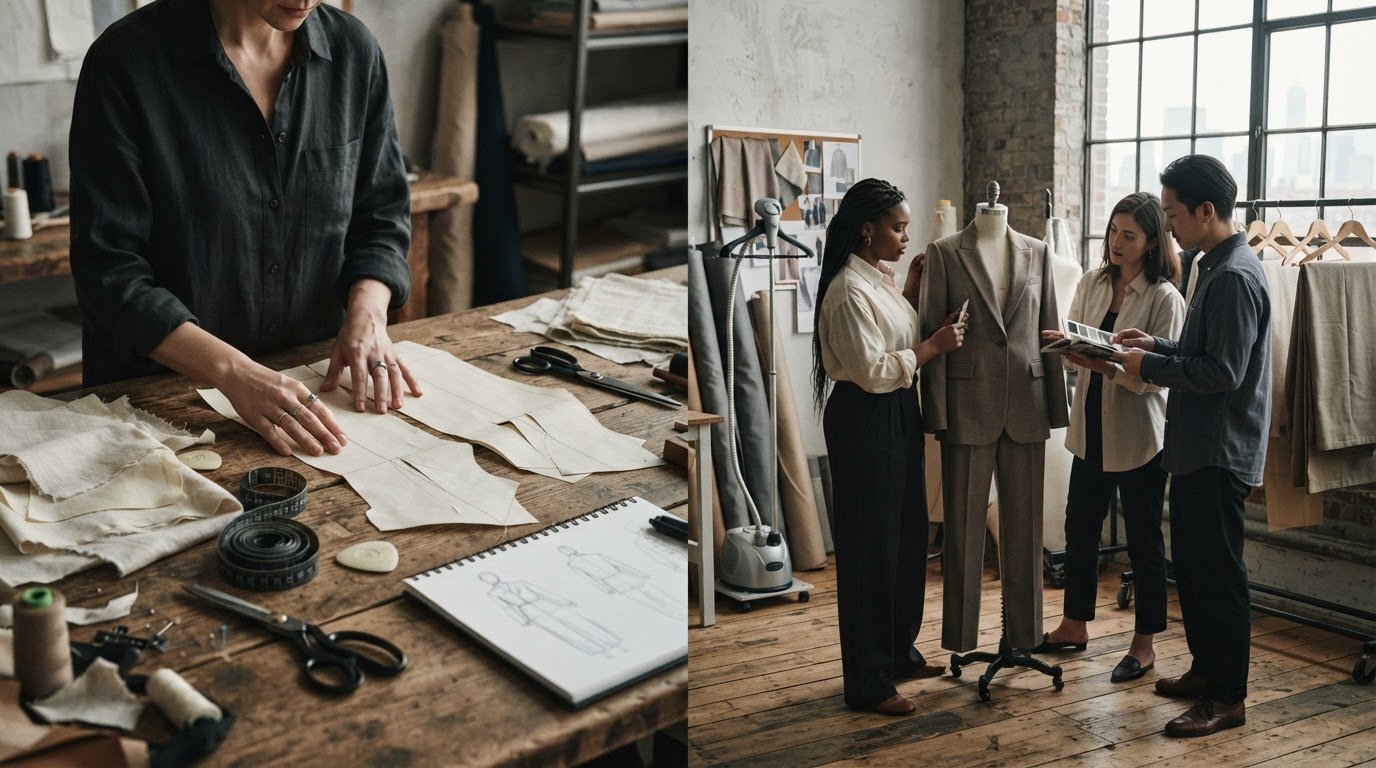
A tech pack is the technical blueprint for your entire collection. It contains every detail from stitch type to seam allowance and tolerance levels. Without a comprehensive tech pack, custom clothing production small batch runs are prone to expensive errors that can drain your budget. This document ensures the factory understands your vision before a single piece of fabric is cut. It reduces ambiguity and serves as the primary reference point for quality standards during the manufacturing process. A well-constructed tech pack includes a Bill of Materials (BOM), detailed sketches, and precise measurement charts for every size in your range.
Professional pattern making is the second pillar of this technical foundation. It's the step that guarantees your size medium fits exactly the same in every batch. We've seen brands struggle with "size creep" when they rely on amateur patterns or skip the professional grading process. This consistency is what builds customer trust and directly reduces your return rates. Transitioning from a rough prototype to a production-ready sample requires meticulous adjustments to ensure the design is physically viable for mass assembly. During this phase, fabric sourcing fees are a necessary investment. These fees cover the logistics of identifying and securing materials that meet both your aesthetic vision and your price requirements.
Mastering the Sampling Process
Speed is a critical factor during the design development phase. A 10-day sample turnaround allows you to visualize your product and make necessary adjustments before the market trend shifts. Many designers fall into the trap of approving samples that look good but aren't optimized for efficient production. This leads to bulk errors where the final product doesn't match the approved prototype. As a sample development clothing manufacturer, we prioritize the technical accuracy of the first sew to prevent these downstream issues. Clear communication during this phase is the difference between a successful launch and a costly production delay.
Quality Control During Small Batch Runs
Small volume orders require a specific approach to oversight that balances speed with precision. We implement a 4-point inspection system to evaluate fabric quality and construction throughout the run. This involves assigning penalty points to defects found in the raw materials, ensuring only the best fabric reaches the cutting table. Maintaining consistency in trims like zippers, buttons, and labels is challenging when sourcing in limited quantities, so we verify every component against the tech pack specifications. A final fit test is the last line of defense. It ensures the garment performs as intended in real-world conditions before it's shipped to your warehouse. This rigorous process guarantees that your custom clothing production small batch meets industrial standards, regardless of the total order size.
The Economics of Small Batch: Hidden Costs and ROI
Per-unit costs in small batch production are inevitably higher than in mass manufacturing. For runs of 50 to 300 pieces, you should expect a 30% to 50% premium compared to bulk orders of 1,000 units or more. This price gap exists because factory setup, machine calibration, and pattern grading require the same amount of labor regardless of the final quantity. However, viewing this purely as a "higher cost" is a mistake. In the 2026 market, custom clothing production small batch is a strategic investment in cash flow. By producing less, you avoid the "deadstock" trap that contributes to the 90% failure rate among fashion startups. You're paying for the flexibility to pivot based on real-time sales data rather than guessing what will sell six months in advance.
Calculating your Total Cost of Ownership (TCO) is the only way to protect your retail margins. This goes beyond the factory's manufacturing fee to include shipping, fabric sourcing, and import duties. For example, Chinese-origin cotton knitwear currently carries a combined effective duty of 50.5% when entering the US. You must also account for compliance costs associated with new 2026 regulations like the U.S. CPSC mandatory eFiling and California's SB 707. While these fees add up, they're significantly lower than the cost of managing 5,000 unsold units. High-quality production always pays for itself by reducing return rates; a garment that fits and feels premium builds the long-term customer loyalty that fuels organic growth.
Managing Your Production Budget
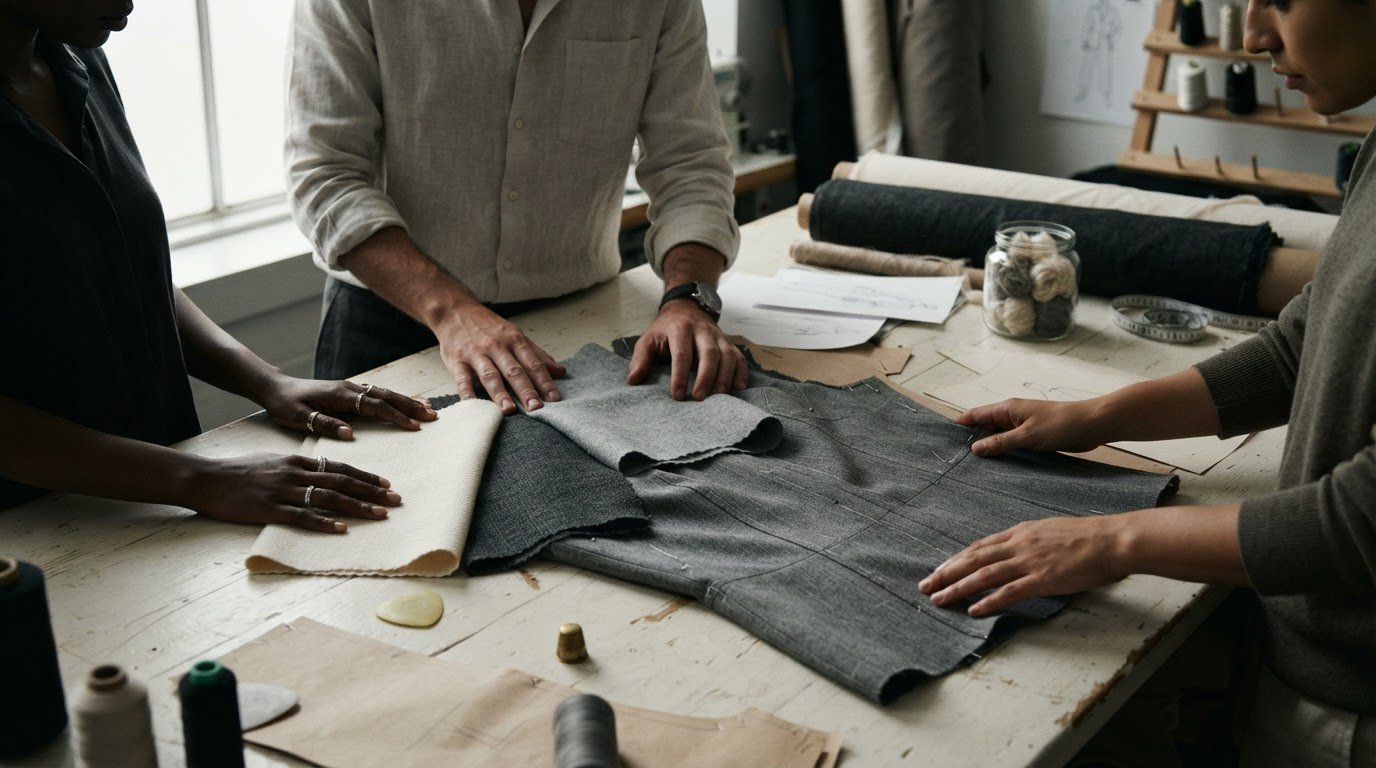
Your choice of material is the biggest variable in your production budget. Specialized fabrics like Lyocell or high-twist Crepe often come with higher minimums from textile mills, which can inflate your per-unit price if you aren't careful. We recommend balancing complex designs with more accessible, high-quality base fabrics to keep your manufacturing fees within a profitable range. Negotiating MOQs for specialized trims is also easier when you work with a partner located in a major industrial hub. Sampling fees are often an investment in reducing bulk production waste because they allow you to catch technical flaws before they become expensive mistakes.
Scaling from Small Batch to Bulk
The "tipping point" for scaling occurs when a design's sell-through rate justifies a lower per-unit cost through volume. Transitioning from 50 units to 500 or 1,000 requires a manufacturing partner that can maintain quality while increasing speed. Having an end to end clothing production partner makes this process seamless because the patterns, tech packs, and material sources are already established. Long-term relationships with your factory often lead to better rates and priority scheduling as your brand grows. If you're ready to move from concept to creation without the risk of overproduction, request a production quote today to see how our small-batch systems can support your vision.
Why PowerSweet Fashion is the Ideal Small Batch Partner
PowerSweet Fashion operates as more than just a factory; we are a strategic partner for your brand's growth. Our facility in Guangzhou provides the industrial-grade sourcing power needed to execute complex designs while maintaining the flexibility of custom clothing production small batch runs. With over 18 years of experience specifically in women's apparel, we understand the technical nuances of fabric drape, seam strength, and precision grading. We've built a system that allows you to start with an MOQ of just 50 pieces per style, ensuring you can test the market without heavy financial exposure.
Our end-to-end service model covers every stage of the garment lifecycle. We don't just assemble pieces; we provide professional pattern making, fabric sourcing, and rigorous quality control services. This holistic approach eliminates the friction often found when working with multiple vendors. We specialize in high-end women's wear, including dresses, blouses, and intricate outerwear. Our "Open-Door Transparency" policy means you're always welcome to visit our facility to oversee production or meet the technical team refining your patterns. It's this level of direct access that builds the trust required for a long-term manufacturing relationship.
Our Commitment to Speed and Quality
Speed is the backbone of our partnership. We achieve a 10-day sample turnaround to keep your design phase moving forward. Once your sample is approved, our bulk production cycles typically run between 15 and 20 days. This rapid pace doesn't sacrifice quality; every run undergoes a meticulous 4-point inspection before it leaves our floor. You can learn more in our custom women’s clothing manufacturer guide. We believe in highlighting the human element behind the machines, ensuring you know the artisans and managers responsible for your brand's reputation.
Start Your Production Journey Today
Starting your custom clothing production small batch journey is a straightforward, systematic process. You can begin by submitting your initial design sketches or completed tech packs through our digital portal. Our production managers will then conduct a consultation to review your fabric requirements, construction details, and timeline. We'll provide a transparent breakdown of costs so you can plan your retail margins with confidence. If you're ready to scale your brand with a reliable partner, Get a custom quote for your small batch production today and let's bring your vision to the physical world.
Scale Your Collection with Precision
Navigating the 2026 fashion landscape requires more than just creative vision; it demands a manufacturing strategy that prioritizes agility and technical accuracy. By shifting to custom clothing production small batch, you protect your brand from the financial burden of unsold inventory while maintaining the ability to respond to shifting consumer trends. Successful scaling depends on the transition from a production-ready sample to a consistent bulk run, supported by a transparent supply chain and professional pattern making.
We provide the industrial-grade infrastructure needed to power your creative vision. With our 10-day sample turnaround and deep expertise in complex women's fashion construction, we bridge the gap between design concepts and retail reality. You gain direct factory access in Guangzhou, ensuring every stitch meets your standards. Partner with PowerSweet for your next small batch collection and take the first step toward a more responsive, profitable business model. Your vision deserves a manufacturing partner that is as meticulous as you are.
Frequently Asked Questions
What is the typical minimum order quantity (MOQ) for small batch clothing production?
Minimum order quantities for custom clothing production small batch typically range from 50 to 300 pieces per style for international manufacturers. Domestic U.S. producers may offer lower runs starting at 24 units, though this often comes with a significant price premium. We maintain a flexible entry point of 50 pieces to help brands test new women's wear designs without the risk of heavy inventory surplus.
Can I use my own fabrics for small batch manufacturing?
You can provide your own materials in a "Cut and Sew" model, but most brands find greater efficiency in our full-package service. We handle fabric sourcing directly in Guangzhou to ensure the material is compatible with our industrial machinery and meets the specific construction requirements of your design. This centralized approach reduces shipping logistics and ensures the fabric quality aligns with your retail price point.
How long does the sampling process take for custom clothing?
A standard sample turnaround takes approximately 10 days after the final tech pack is approved. This phase is critical for verifying fit, drape, and construction details before you commit to a full production run. Rapid sampling allows your brand to stay agile, enabling you to move from a prototype to a finished custom clothing production small batch within a 15 to 20 day bulk cycle.
Why is small batch production more expensive per unit than bulk manufacturing?
Per-unit costs are higher because the labor required for factory setup, pattern grading, and machine calibration remains constant regardless of the total quantity. In 2026, small batches typically carry a 30% to 50% premium over bulk orders of 1,000 units. This higher initial investment is a strategic trade-off that protects your cash flow by eliminating the risk of unsold deadstock.
Do I need a professional tech pack to start small batch production?
A professional tech pack is an essential requirement for ensuring technical accuracy and sizing consistency across your collection. It serves as the industrial blueprint that includes measurements, bill of materials, and specific construction methods. Without this document, the risk of production errors increases significantly, which can lead to costly delays and compromised garment quality that hurts your brand reputation.
Is it possible to visit the factory during the production of my small batch?
We maintain an open-door policy and encourage factory visits to foster transparency and partnership. Clients are welcome to observe the production line, meet the technical team, and conduct on-site quality inspections in our Guangzhou facility. For brands unable to travel, we provide digital transparency through video consultations and detailed production reports to keep you informed at every stage.
What types of women’s clothing can be produced in small batches?
Small batch manufacturing is highly effective for complex women's apparel including dresses, blouses, skirts, and tailored outerwear. These categories often require intricate construction and specialized trims that benefit from the meticulous attention of a smaller production run. We focus on executing these high-detail designs with the same precision and industrial standards as mass-market collections.
How do you ensure quality control for low volume orders?
We implement a 4-point inspection system that evaluates fabric quality and construction at every stage of the run. This includes checking raw materials for defects before cutting and performing fit tests on the final assembly. Even in low volume orders, each garment must meet rigorous standards to ensure your brand maintains a reputation for high-quality execution and minimal returns.
Comments