
Full Package Production for Apparel: Costs and Sourcing Explained

A FPP manufacturer does more than cut and sew garments. Full package production (FPP) for apparel can bring design development, material sourcing, sampling, manufacturing, and shipping into one coordinated process, from fabric selection through final packaging. That wider scope can simplify production, but it also means understanding what’s included is essential when comparing costs.
When comparing FPP with cut, make, and trim (CMT), look beyond the garment’s unit cost. Sourcing, development, order quantity, and the level of control you retain all shape the budget and production process.
This guide explains what an FPP manufacturer does, how FPP differs from CMT, and what affects costs and timelines. It also covers fabric and trim sourcing, sampling, quality control, and packaging to help you assess which model fits your brand’s needs.
Table of Contents
Fabric and trim sourcing
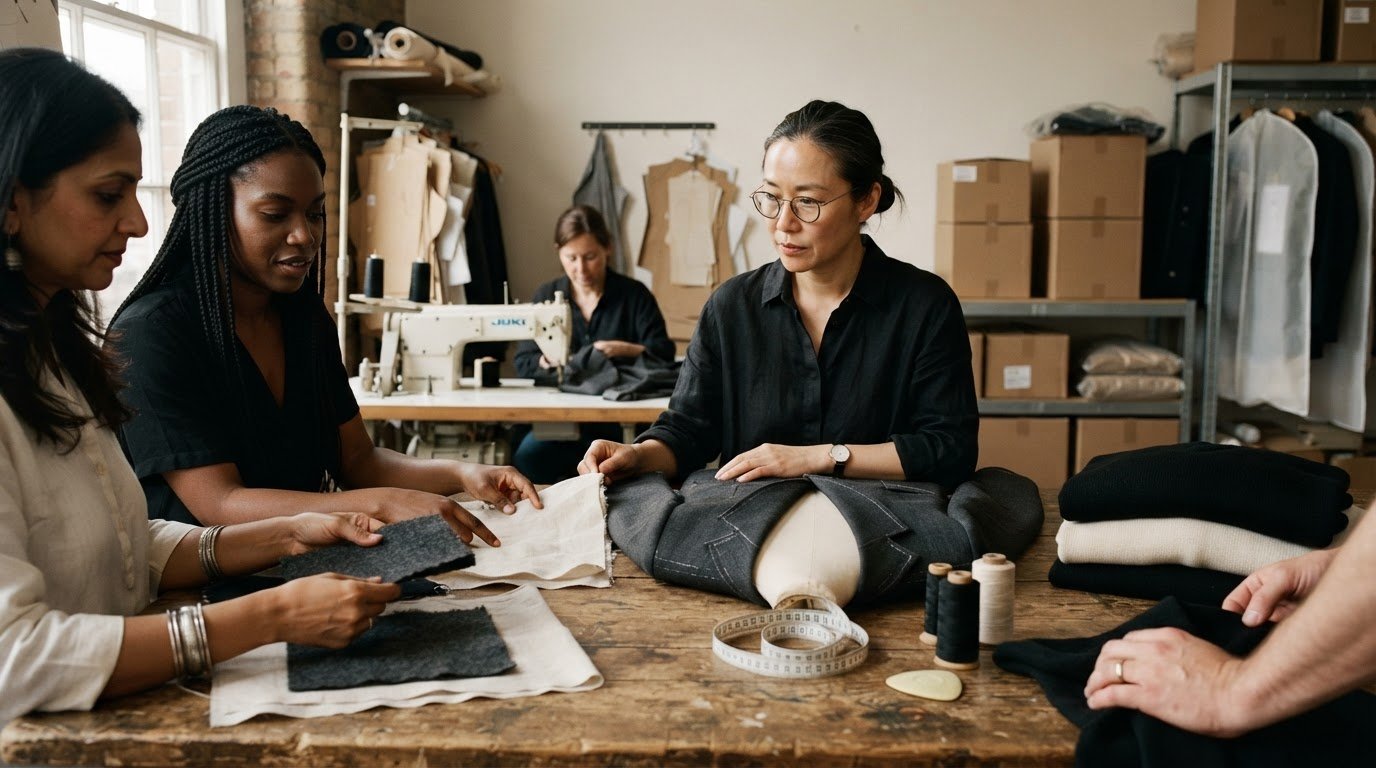
Material choices shape garment hand, fit, durability, and production cost. In full package production (FPP) for apparel, a manufacturer may source fabric, trims, zippers, buttons, and other accessories. Share the intended garment, target quantity, preferred composition, and performance needs before sourcing begins. A 320 GSM heavyweight fleece suits a different product brief than 180 GSM jersey, so matching the material to the design matters.
Fabric also carries a major budget impact. It typically accounts for 60 to 70 percent of a garment’s total production cost. A manufacturer can compare available materials and quantities against the approved design and budget, then identify where a substitution changes weight, stretch, drape, or finish. Confirm the chosen fabric against the sample before bulk cutting; a similar-looking alternative may behave differently during sewing.
Material availability affects production as well as appearance. Stock fabrics may be easier to source consistently, while a custom color or construction depends on available materials and quantities. Record the chosen fabric’s composition, width, weight, color reference, and availability in the production specifications. For example, compare an approved jersey color with the bulk fabric before cutting, rather than relying on a digital image alone.
Knitted fabrics need careful preparation. Cotton or spandex knits should be relaxed flat for 24 to 48 hours before cutting, allowing the material to settle before pattern pieces are laid out. Cutting immediately after delivery can affect dimensions and fit. The cutting plan should also account for fabric width, pattern placement, and size ratios; marker efficiency targets in apparel production are 85 to 95 percent.
When a manufacturer knits fabric in-house, fabric development and garment production can be coordinated closely. Knit structure, yarn choice, and target weight can be matched to the design; external sourcing may provide access to ready-made fabrics. The right option depends on the material, required quantity, and consistency needed across the run. Review a sample before proceeding with bulk production if the fabric changes.
FPP can shift how production decisions are managed. A manufacturer may coordinate sourcing, but the brand still needs to approve fabric, trims, labels, and swing tags. Record each item’s color, placement, and material in the specifications before production. U.S. import duties are determined by destination customs; labeling and compliance requirements depend on the garment and its classification. Align label content and shipment documents with the specific product before production.
What is Full Package Production for Apparel?
A clothing manufacturer using full package production coordinates development and manufacturing, not just garment sewing. FPP generally requires more upfront investment than CMT because it covers more stages, while reducing the brand’s production coordination work.
Brand and Manufacturer Responsibilities
FPP works best when the brand defines product requirements and the manufacturer translates them into approved production specifications. This division is important because sketches alone may leave fit, construction, labels, and hardware placement open to interpretation.
The brand provides design direction, reviews technical details, and approves the sample before bulk production. The manufacturer can develop patterns, source materials, prepare samples, and manage garment construction. Agree on who approves each decision to prevent late changes. For example, record the approved fit and fabric in the specifications and use them as production references.
The FPP Process from Design to Delivery
The process moves from sketches or a design brief to technical specifications, patternmaking, material sourcing, and sample development. After sample approval, the manufacturer proceeds with bulk production, quality checks, finishing, and packing. Each approval provides a clear reference for the next stage.
This sequence matters because unresolved design decisions can affect patterns, materials, and the finished garment. A sample produced before bulk manufacturing lets the brand assess fit and construction against the specifications.
FPP and CMT differ in what the brand supplies to the factory. With CMT, the buyer provides patterns and materials, and the factory cuts, makes, and trims the garments. FPP can include patternmaking, sourcing, sampling, and production management. FPP can suit brands without in-house technical capacity; CMT can suit experienced teams with factory-ready specifications.
Evaluate a manufacturer based on the work your project requires, not broad promises. Ask whether the clothing manufacturer can make patterns, grade sizes, source materials, develop samples, and follow approved construction details. The production partner should explain how it records approvals and manages specification changes. Unclear sample responsibilities, vague descriptions of included work, or pressure to proceed before specifications are aligned are warning signs.
Ask focused questions: Which stages are included? Who prepares and approves the tech pack? How are fabric substitutions handled? What prompts a sample revision? How are defects recorded and addressed? Answers should describe a defined production process, not just offer general assurances.
FPP can consolidate sourcing and manufacturing, but it doesn’t remove the brand’s role in making decisions. Before committing, clarify the scope, approval points, and production responsibilities in writing. Brands developing women’s garments can explore custom women's clothing production as a way to align product development with manufacturing.
Minimum order quantities and production timelines
Minimum order quantities and schedules depend on the factory, production model, style, and material plan. Compare the required quantity for each style and color with your launch needs before committing.
Recommended Order Sizes
An order minimum is the smallest quantity a supplier will accept, while a recommended order size balances production efficiency with demand. Small, emerging fashion brands may need 12 to 50 pieces per style, but some manufacturers recommend 100 to 300 pieces per style and color for better efficiency and cost.
Color choices affect the total. If a style comes in several colors, ask how the supplier counts its minimum: across the whole style or separately for each color. A 100-piece order split across colors may not meet a per-color minimum. Align the quantity, color plan, and size range before confirming the initial order.
CMT and FPP Production Minimums
CMT and full-package production can have different minimums because they assign different work to the factory. In CMT, the brand supplies patterns and materials; the factory cuts, makes, and trims. Full-package suppliers coordinate more stages, and some offer minimums as low as 100 pieces.
For domestic U.S. manufacturing, minimums for one style and color typically range from 50 to 300 pieces. Overseas manufacturers commonly set minimums of 100 to 500 pieces per style, though some export factories accept lower quantities. Compare the stated minimum with your pattern, fabric, and color plan, not just the headline figure.
Minimums and Pricing
Order quantities affect unit pricing because setup, sourcing, and production work are spread across the order. At lower quantities, the same pattern development or setup effort is allocated across fewer garments. Larger runs can improve production efficiency, but they also tie up more inventory.
Material choices and color splits matter too. Custom fabric or multiple colors can affect sourcing requirements and the quantity needed for each option. Compare quotes using the same style, size breakdown, materials, and packaging scope. This makes the comparison meaningful and avoids treating a low unit price as a lower total commitment.
Production Timelines
FPP garment production typically takes six to eight weeks, depending on order quantity and design complexity. A new apparel style can take 10 to 16 weeks from tech-pack submission to finished-goods delivery because development and production involve separate stages.
Bulk production involves cutting, sewing, finishing, and quality control, and its timeline can vary. After sample approval, production can take between 30 and 45 business days. A pattern change, fabric delay, or late color approval can affect the schedule, so include development and approval time in the launch calendar.
Build the production plan around approved samples, confirmed quantities, and color decisions. A production-ready pattern and clear size breakdown help suppliers plan cutting and capacity. Set a launch date that allows for both development and bulk manufacturing.
Trims, labels, quality control, and packaging
Small production details affect each garment’s appearance, function, and condition on arrival. Connect the tech pack, factory checks, and packing instructions to clear product requirements.
Trim and Label Handling
Trim and label handling involves sourcing and attaching each approved component according to the garment specifications. Clear references matter because zippers, buttons, care labels, and swing tags can vary in color, size, placement, and finish.
List each component in the tech pack with its description, placement, and approval reference. For example, specify which side carries a brand label and where a swing tag attaches. Confirm that the approved components match the production materials before sewing begins. This helps prevent mix-ups between styles or colorways.
Garment Production Checks
Garment production checks compare work in progress with the approved sample and construction requirements. They matter because a fit or stitching issue found during sewing is easier to address before finishing and shipment.
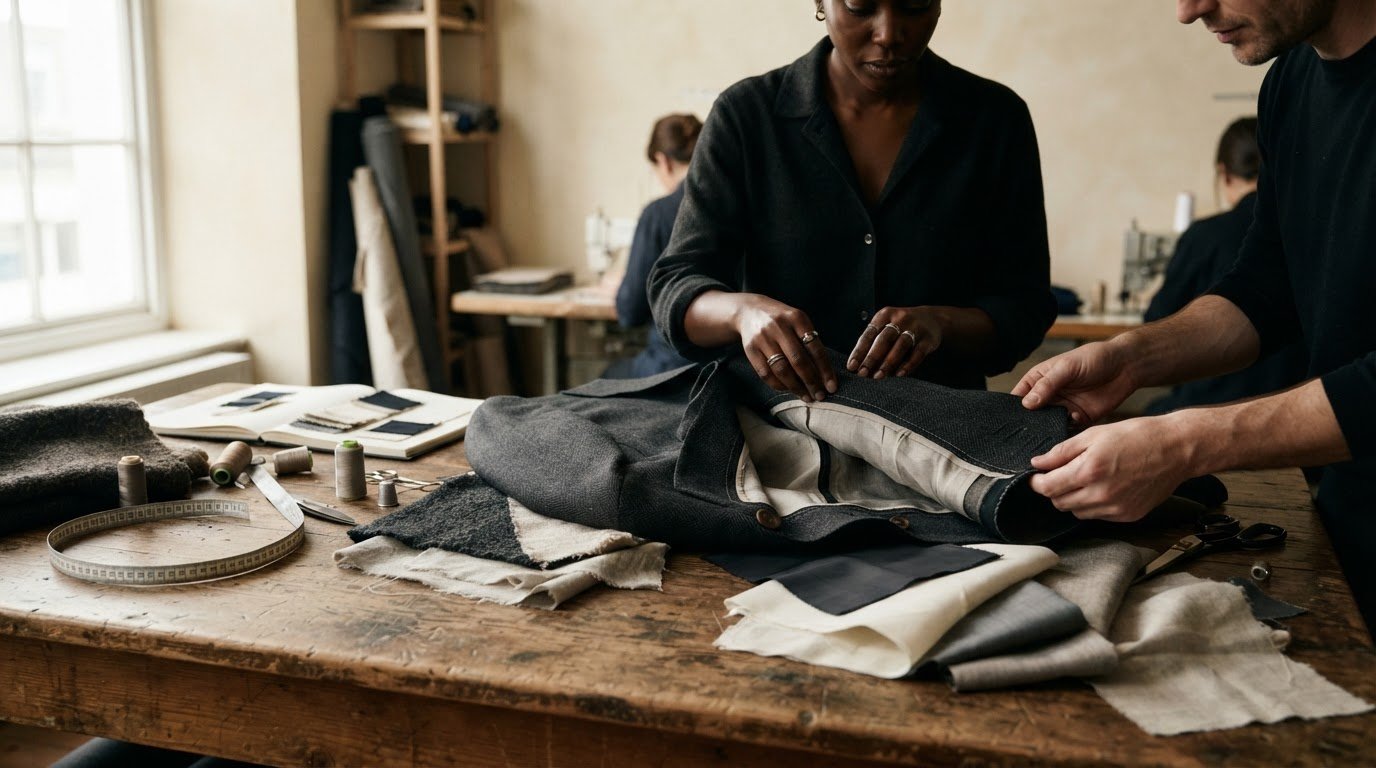
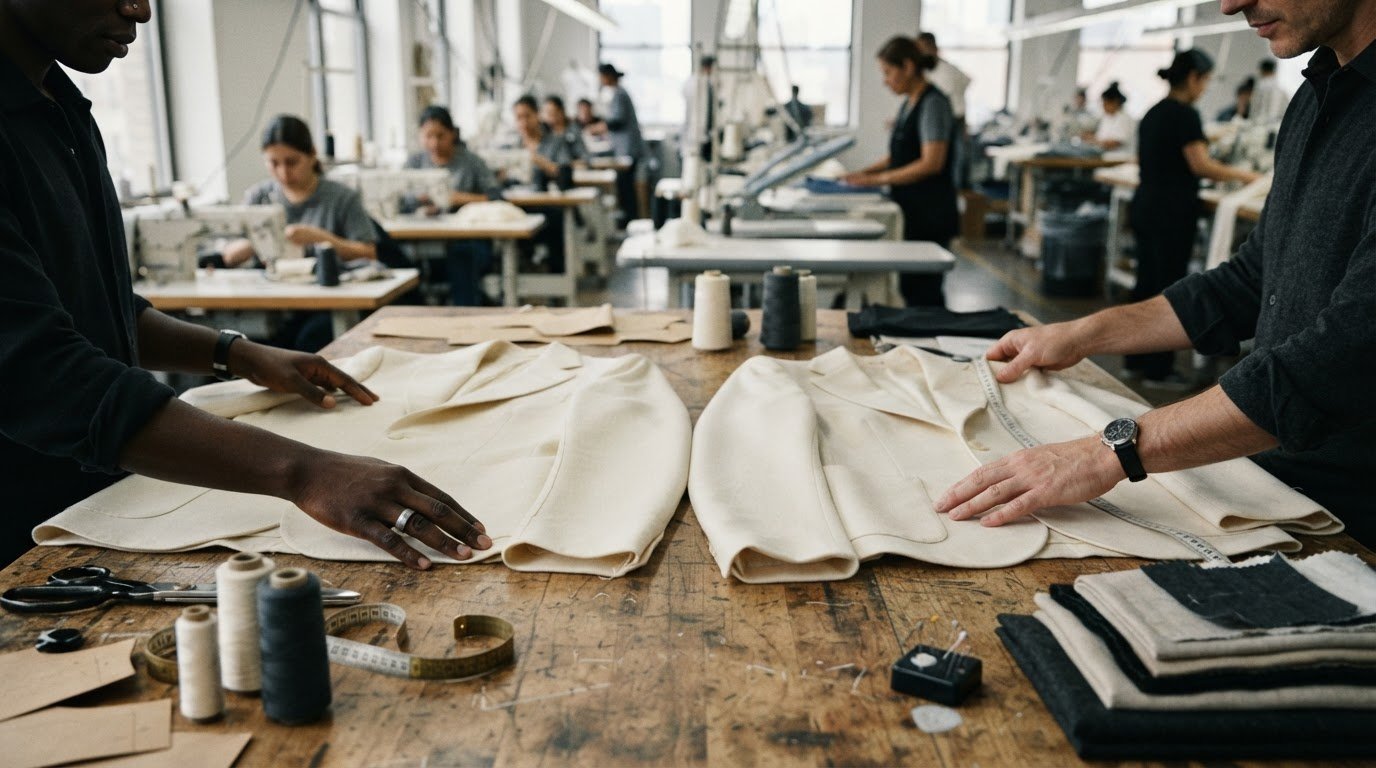
Use the tech pack to check seam construction, measurements, fabric appearance, and component placement. For example, compare a sewn garment with the approved sample before the factory repeats the same operation across the full order. Record defects and corrections so the production team can apply consistent standards.
Inspection continues near the end of the line. End-of-line inspection is a 100 percent visual check of every garment before it moves to finishing. Inspectors can identify visible issues such as stains, skipped stitches, loose threads, or incorrect labels. Finished garments are also physically inspected for fit before shipment.
An AQL audit uses a defined sampling plan to assess a production lot against agreed acceptance criteria. Set the inspection scope and defect categories, such as critical, major, or minor issues, before the audit, and document the result. AQL sampling is not the same as checking every piece, so make sure the agreed plan matches the brand’s quality requirements and shipment risk.
Packaging protects garments and keeps order information organized for delivery. Specify folding, individual packing, size stickers, carton assortment, and inserts in the production instructions. For example, cartons packed by size can simplify receiving, while mixed-size cartons need a clear packing list. Confirm the packaging method before packing begins.
Shipment coordination connects final inspection with packing and dispatch. Match carton quantities and contents to the approved order breakdown, then ensure shipping documents reflect the goods being sent. Record any fabric or trim substitution against the relevant style. These checks help the receiving team reconcile the shipment with the production order.
Full Production Package (FPP) production
Full package production coordinates the work needed to turn a design into a finished garment. Depending on the agreed scope, this can include patternmaking, fabric and trim sourcing, sampling, bulk production, quality control, finishing, and packaging. The main advantage is coordination across stages: construction and material decisions can be managed within one production process rather than split among separate suppliers.
The process starts with a design brief, sketches, or technical drawings. The manufacturer develops patterns and production specifications, including garment construction and size grading. Next come material sourcing and sample development. Before bulk production begins, the brand reviews a physical sample against the intended fit, fabric, and details. New apparel styles commonly require one to three samples before a production run, depending on development needs and approval changes.
Once the sample is approved, the manufacturer plans the production run using the confirmed specifications. Cutting prepares the fabric pieces, and sewing assembles them into garments. Quality control checks workmanship and fit against the approved reference, while finishing prepares the garments for packing. Clear approval points matter: a change to fit or construction after bulk cutting can affect more garments than the same correction during sampling.
FPP generally involves more upfront spending than CMT because it includes more services, from development through logistics. It can cost more per garment than CMT, while reducing the coordination work handled by the brand. The trade-off is practical: a brand with limited production experience may value an integrated process, while a team with factory-ready patterns, materials, and sewing guidance may prefer CMT.
The useful takeaway is to judge the package by its scope, not its label. Map each stage from design through delivery, identify approval responsibilities, and compare the included work with your team’s capabilities. For a production plan that connects garment development with manufacturing, discuss your production requirements.
PowerSweet Fashion: Custom Women's Clothing Production
PowerSweet Fashion supports fashion brands developing custom women’s garments, from material sourcing to finished production. Its services include fabric sourcing, patternmaking and grading, sample development, bulk production, finishing, and quality control, helping align the approved design with production requirements.
Turn to PowerSweet Fashion when you need a manufacturing partner to develop a sample, source materials, or manage quality checks for a women's clothing line. Samples are ready in 10 days, and bulk production takes 15-20 days. These timelines help brands plan key development and production milestones.
Share your garment concept, tech pack or pattern, material direction, and order requirements to discuss the production process. Contact PowerSweet Fashion to talk about your apparel project.
Turn Your Production Plan Into a Clear Next Step
Your next decision is how much product development your team wants to manage directly. Full package production (FPP) for apparel brings key stages together, while a clear division of responsibilities keeps approvals and expectations visible. Identify where your workflow needs support, then align those needs with the production scope.
PowerSweet Fashion offers custom women’s clothing production, sample development, patternmaking, and fabric sourcing. These services can help turn an initial concept into a production-ready garment, connecting material and sample decisions to the finished design. Discuss your priorities with PowerSweet Fashion to prepare for the next stage.
Contact PowerSweet Fashion to discuss your project and outline the garment, materials, and development support you’re planning. A well-defined starting point makes collaboration more productive. Take the next step with a plan that fits your brand.
Frequently Asked Questions
What Is a FPP Manufacturer?
An FPP manufacturer coordinates multiple stages of apparel development and production for a brand. Beyond sewing, the work can include patternmaking, fabric and trim sourcing, sampling, and finishing. For example, a manufacturer may develop a pattern from sketches, while another starts with a production-ready tech pack. Clarifying responsibilities helps brands understand who manages each decision.
What is the difference between FPP and CMT?
FPP can include development and sourcing, while CMT focuses on cutting, making, and trimming garments. With CMT, the brand typically provides patterns and materials, so its team coordinates those inputs. With FPP, the manufacturer can manage more tasks under one production arrangement. A brand with established technical resources may prefer to manage inputs itself; a lean team may value consolidated coordination.
What is FPP production?
FPP is an apparel manufacturing arrangement that coordinates several stages under one production scope. A project can move from design interpretation to pattern development, sourcing, sample review, bulk garment construction, and packing. The brand still makes key decisions, especially about design direction and sample approval. An approved sample, for instance, gives the production team a physical reference for fit and construction.
What is the minimum order?
There is no single minimum that applies to every apparel manufacturer. Minimums can depend on style, color, fabric availability, and the factory’s production setup. PowerSweet Fashion offers orders as low as 50 pieces per style and color, with size variations. A brand planning several colorways should account for the minimum separately by style and color when building its launch quantity.
What Is Full-Service Apparel Manufacturing?
Full-service apparel manufacturing means a supplier can coordinate several stages beyond garment assembly, though the precise package varies. It may cover pattern work, sourcing, sampling, production, finishing, and packing. The term alone doesn’t define who approves materials or manages delivery details. Before production begins, map the agreed scope against your team’s responsibilities, so tasks such as artwork approval or size breakdowns have a clear owner.
What does full package production (FPP) mean in apparel manufacturing?
In apparel manufacturing, full package production means a brand can work with a manufacturer across development and production rather than commissioning sewing alone. It can connect the design brief to patterns, materials, samples, and finished garments. The package is not automatically identical between factories. Review its stage-by-stage scope, especially which party approves specifications, materials, and sample changes before production proceeds.
What services are included in full package production for clothing?
A clothing package may include technical design, pattern making and grading, fabric and trim sourcing, sample development, bulk production, quality checks, finishing, and packaging. Some agreements also coordinate shipment preparation. For example, a brand may need labels and packaging specified alongside the garment itself. Confirm which tasks sit inside the package and which decisions still require brand approval, so the production scope matches the product plan.
What information and materials must a brand provide to an FPP manufacturer?
Provide a clear design brief, sketches or reference images, target fit, size range, and intended fabric or garment performance. A tech pack can add measurements, construction details, artwork placement, and trim specifications. If you have an approved sample or fabric swatch, identify it as a reference. Also share the planned quantity and color breakdown, since these details shape sourcing and production planning.
Comments