
Garment Merchandiser Role in Apparel Manufacturing

Updated: 3 hours ago
A merchandiser’s work doesn’t end when an order is placed. The garment merchandiser role in apparel manufacturing connects the buyer’s requirements with factory execution, coordinating approvals, materials, production progress, quality checks, and shipment so the order stays aligned with its specifications and schedule.
That coordination matters when an approval is late, a material issue disrupts production, or a buyer needs a clear update. The merchandiser tracks next steps, helps teams respond, and keeps communication moving between the customer and the people making the garments.
This article explains how merchandisers manage orders, resolve production problems, plan lead times, and support reorders. It also covers their role in coordinating quality and compliance, and how clear post-shipment service can help maintain a productive buyer relationship.
Table of Contents
Order execution and problem-solving
A merchandiser connects buyer requirements with factory work by tracking materials, timelines, quality, and production progress. Order records and regular follow-ups help identify delays, clarify responsibilities, and keep decisions moving.
Cost and Timeline Tracking
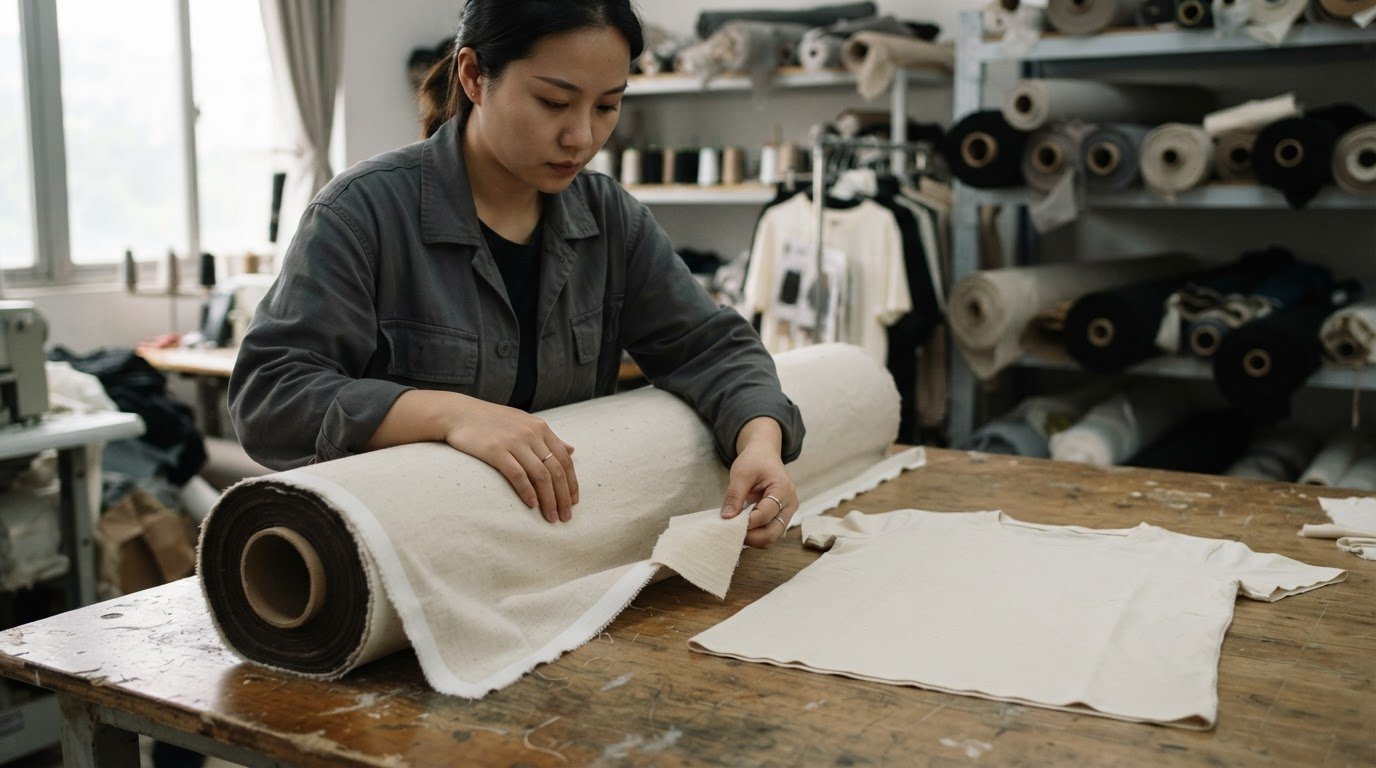
Order execution starts with clear records. Merchandisers prepare internal order sheets to coordinate the raw materials production needs. These records help teams track material requirements and spot details that need clarification. Any changes to specifications or approvals should be shared with the relevant teams so production follows the latest requirements.
A Time and Action plan, or TNA, tracks activities from order confirmation through shipment. Merchandisers follow up daily with suppliers and departments, track completed tasks, and share status updates. Excel trackers, ERP systems, shared Google Sheets, Trello, and Asana can support this tracking. Late approvals, fabric issues, testing delays, and department miscommunication can disrupt the schedule. Clear status records help reveal which task needs attention.
Quality and Production Monitoring
Minimum order quantities vary by manufacturer and production location. Apparel Production lists a minimum of 300 pieces per style for overseas production in the Dominican Republic, China, and Indonesia. That figure provides a concrete reference for those locations, but it should not be treated as a universal requirement. Merchandisers coordinate the order details with factory teams, then keep production updates and open issues visible. If a problem threatens product requirements or timing, they can communicate the issue, clarify the needed decision, and follow its resolution through the relevant teams.
Production lead times and reorders
Product developers shape specifications and samples, while merchandisers coordinate approved details between buyers and factory teams. Production managers oversee factory workflow and output. The merchandiser focuses on order coordination, not designing every detail or directing every production line.
A merchandiser builds a Time and Action (TNA) chart backward from shipment. The schedule assigns dates to approvals, materials, sampling, production, and dispatch, with buffer days for possible slippage. Daily production reports show whether work is on plan. If fabric delivery or an approval stalls, the merchandiser follows up and updates the next milestones.
Lead time depends on the product, materials, approvals, production capacity, and shipment route. One example is the Dominican Republic-to-United States route. According to Apparel Production, its listed lead time is 6-8 weeks. This is a route-specific reference, not a universal production schedule. A reorder may move faster when specifications remain unchanged, but material availability, quantity, and factory workload still affect timing.
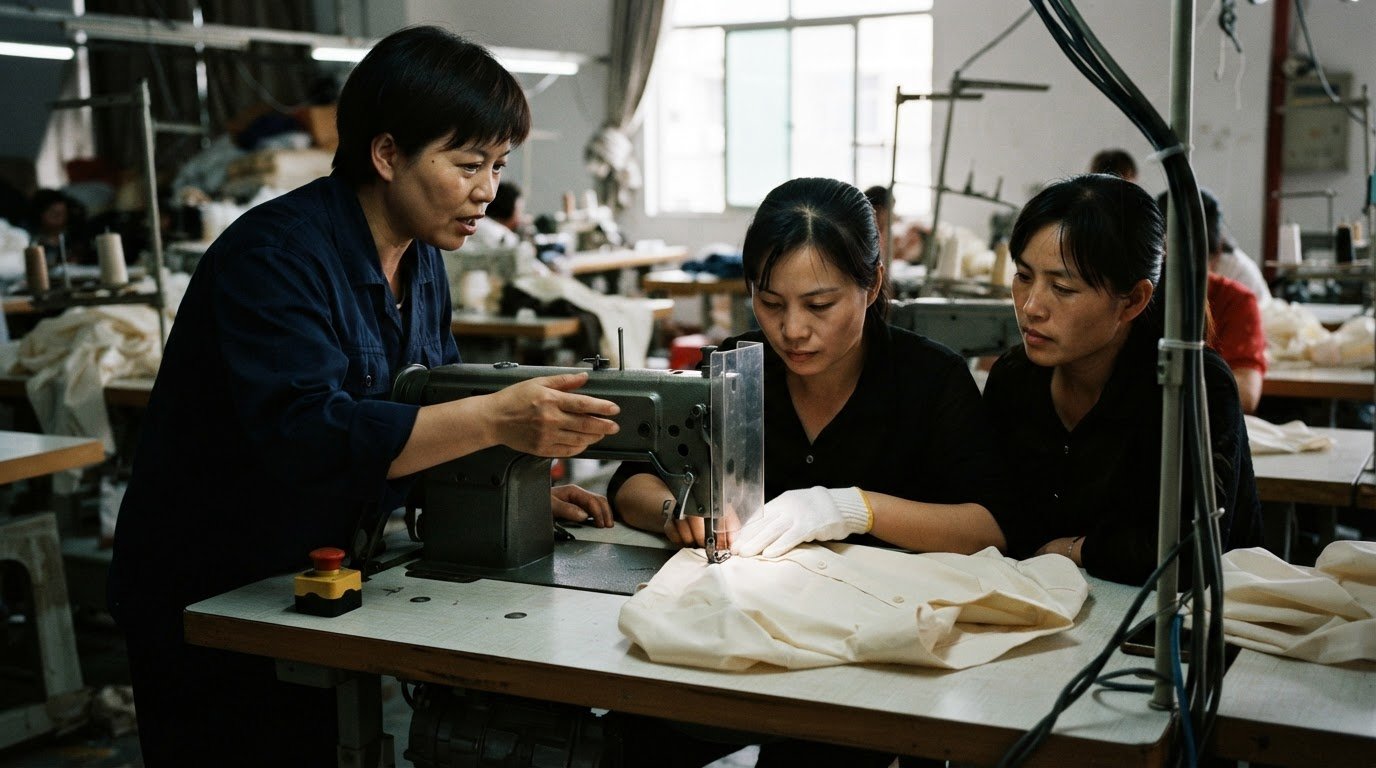
For private-label apparel, production files turn approved designs into factory instructions. Merchandisers compile style details and quality standards for production and quality teams. A pre-production meeting aligns the factory team on construction, trims, and schedule. It surfaces unanswered questions before bulk work begins and assigns follow-up to the responsible teams.
Costing starts with a probable costing sheet based on the plant’s infrastructure, quality norms, and capabilities. Merchandisers use these factors to develop a workable estimate before production planning advances. Reorders also require a fresh review of any changes to specifications, trims, fabric, or quantity. Comparing the new request with the previous production file helps identify changes that could affect cost or timing.
For brands planning a private-label line, custom women’s clothing production can connect approved product details with manufacturing coordination.
These routines keep factory teams aligned as orders move through production. Merchandisers use production files to carry style and quality requirements across departments. Monitoring progress helps teams address production or supply issues before they disrupt planned milestones.
Quality control and compliance
Merchandisers connect approved product requirements with factory quality checks. They keep quality expectations visible throughout production and coordinate responses when inspection findings need action. The aim is to identify differences from agreed specifications, communicate them clearly, and track their resolution.
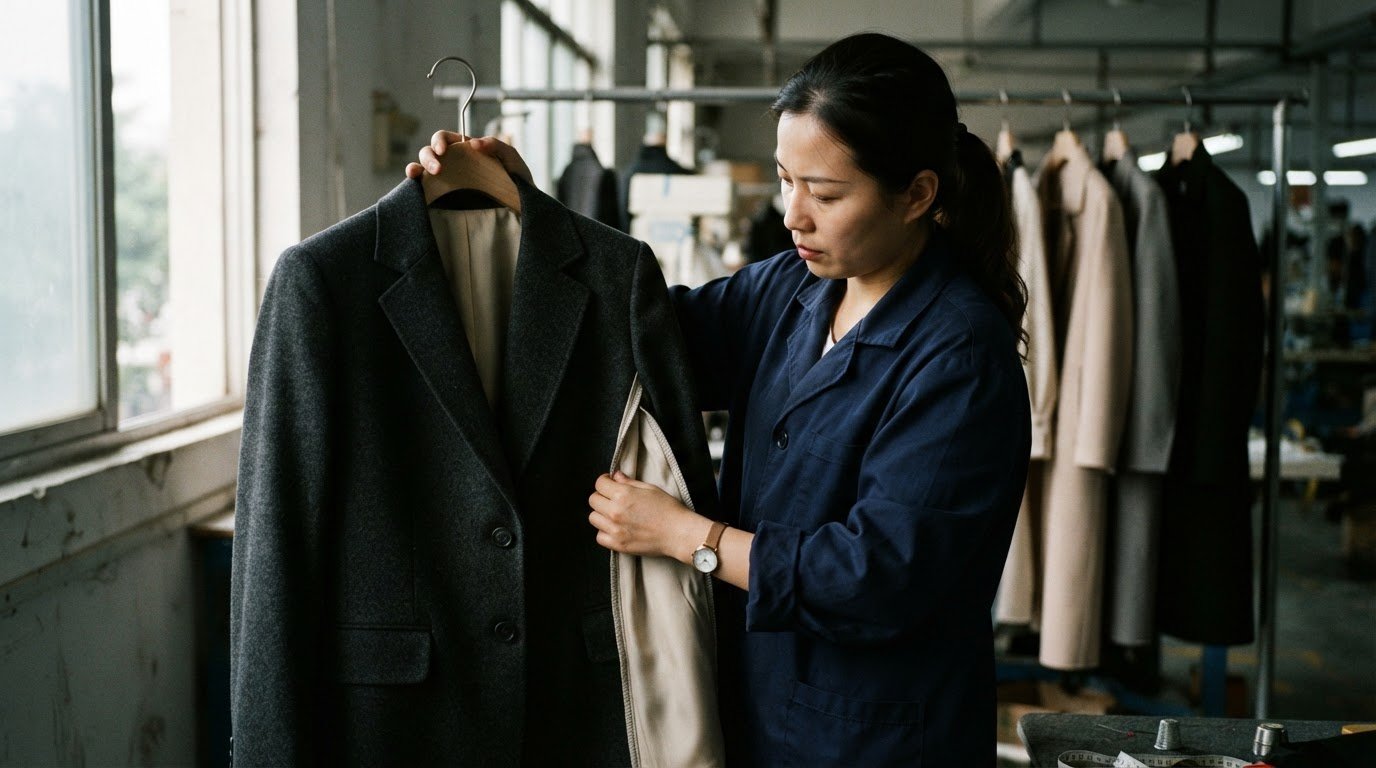
Quality coordination can include inline, midline, and final inspections. Each stage lets teams review production against the relevant product requirements. For example, if an inspection finds a construction issue, the merchandiser shares the finding with the responsible teams and follows up on corrective action. Recording the issue, decision, and follow-up keeps the order’s quality history clear.
Approvals turn acceptance criteria into practical instructions. Merchandisers coordinate buyer decisions on product details and ensure approved information reaches production and quality teams. A clear record distinguishes an approved change from a production error. If a print or construction detail changes, teams need the updated approval before treating it as the required standard.
Compliance coordination depends on accurate, consistent information. Merchandisers organize product requirements and quality records so teams work from aligned instructions. They can flag missing approvals, conflicting details, or inspection findings that need a decision. This helps prevent assumptions from replacing documented requirements, while recognizing that a factory checklist does not replace applicable compliance processes.
The role calls for communication, planning, organization, attention to detail, problem-solving, negotiation, follow-up, and teamwork. These skills help merchandisers turn inspection feedback into specific actions, such as clarifying a requirement or tracking a correction. Practical preparation includes understanding garment construction, production stages, and quality documentation. Clear writing matters too: vague comments make it harder for teams to act consistently.
Useful quality updates identify the finding, the affected requirement, the responsible team, and the next action. Merchandisers coordinate these details between buyers and factory teams. This turns quality approvals into practical production guidance rather than isolated sign-offs, helping teams maintain consistent product expectations through inspection and completion.
Customer relationships and service
A garment merchandiser coordinates buyer requirements with factory and supplier updates. They clarify product development, production, and quality needs, then communicate decisions to the responsible teams. For example, if a buyer requests a construction change, the merchandiser clarifies the requirement and shares the approved direction with production. This central point of contact connects customer communication with factory action.
Useful updates are specific. A status note can identify the order stage, an open approval, the responsible team, and the next action. If a supplier issue affects a production milestone, the merchandiser explains the impact and shares the resolution plan. This gives buyers decision-ready information instead of disconnected messages and helps factory and supplier teams work from the same instructions.
Customer service continues after shipment. Merchandisers handle post-shipment comments and use buyer feedback to support ongoing relationships. Feedback about fit, construction, or delivery should be recorded clearly, shared with the relevant team, and followed through to a response. For a reorder, previous feedback can clarify which product details remain unchanged and which need buyer approval, making the next order discussion more focused.
Some merchandisers also accompany buyers visiting manufacturers, helping connect conversations with the production process and supplier teams. Marketing merchandisers have a different focus: buyer communication, business growth, finding buyers, and securing orders. In either case, dependable service relies on clear handoffs, accurate records, and follow-through. Buyers should know what decision is needed, while factory teams need instructions they can act on. To align buyer requirements with manufacturing coordination, discuss your apparel production needs.
PowerSweet Fashion
PowerSweet Fashion supports apparel brands with coordinated garment development and manufacturing. Its services include custom women’s clothing production, sample development, fabric sourcing, and quality control. Together, these services connect product preparation with production and quality needs, helping brands move from defined garment requirements toward finished apparel.
Bring your design direction, material preferences, and product requirements into the conversation. Sample development can establish the garment before bulk production, while fabric sourcing and quality control support key parts of the process. The right support depends on your order’s stage and the tasks that need coordination.
If you’re planning a women’s apparel order or developing samples, contact PowerSweet Fashion to discuss your project.
Turn Your Production Plan Into a Clear Next Step
A useful next step is to turn your product direction into a brief that supports practical decisions. Define the garment’s intended construction, materials, fit priorities, and quality expectations. Clear inputs give development and production teams a shared starting point, while open questions can be addressed before they affect the workflow.
Understanding the garment merchandiser role in apparel manufacturing also helps you identify where coordination matters most for your project. PowerSweet Fashion supports brands with custom women’s clothing production, sample development, and fabric sourcing. These services can move a defined apparel concept into development and manufacturing planning.
Bring your product goals and current requirements into the conversation, whether you’re developing a new style or refining an existing direction. Contact PowerSweet Fashion to discuss your apparel project and plan a clear path forward.
Frequently Asked Questions
What does a garment merchandiser do in apparel manufacturing?
The garment merchandiser role in apparel manufacturing is to coordinate an order between buyer and factory, keeping product requirements, decisions, and progress connected. For example, when a buyer revises a print detail, the merchandiser relays the approved change to the relevant teams and tracks its effect on the order. The role bridges communication and execution; factory specialists carry out the production work.
What are the daily responsibilities of a garment merchandiser?
Daily tasks often include checking order progress, following up on pending approvals, and answering buyer or supplier questions. A merchandiser may compare planned milestones with completed work, then flag a fabric delay or unresolved sample comment. They also record decisions and share relevant updates with production, quality, planning, or commercial teams. Priorities shift as order requirements and production issues change.
What is the apparel manufacturing order process from inquiry to shipment?
An order typically moves from inquiry and requirement clarification to costing, sample development, buyer approvals, order confirmation, material preparation, bulk production, quality checks, and shipment arrangements. The process may include feedback loops: a sample comment can require a revised sample or updated production instructions before work proceeds. Merchandisers coordinate handoffs, ensure decisions reach the right teams, and track remaining actions toward dispatch.
What documents and production reports does a garment merchandiser manage?
Common working records include internal order sheets, production files, sample comments, approval records, Time and Action plans, and daily production reports. Export or commercial merchandisers may also handle letters of credit, shipping documents, and export procedures. For a clear handoff, each record should identify the style, current requirements, outstanding decisions, and relevant progress. The documents used depend on the merchandiser’s responsibilities and the order workflow.
What challenges and risks do garment merchandisers handle in apparel manufacturing?
Merchandisers handle coordination challenges such as late approvals, fabric issues, testing delays, and communication gaps between departments. For example, a delayed print approval can leave production teams waiting for direction. The merchandiser identifies the blocked task, explains its impact, and follows up with the people who can resolve it. Clear records and timely updates help teams respond before an unresolved issue affects later milestones.
Comments