
Private Label Clothing Manufacturer in China for Brand Orders

China’s directories list 1,648 private-label clothing manufacturers and suppliers, including 915 manufacturers or factories. Among the listed city counts, Guangzhou leads with 116 company records for private label clothing manufacturers in China. Those figures show the scale of the market, but they don’t tell you which supplier is right for your order.
That’s the real challenge: a long list is useful only if you can compare production fit, minimum order quantities, sampling, and quality checks. Smaller brands also need to know whether a private label clothing manufacturer in China can support an initial run while leaving room to scale up.
This guide explains what minimum order quantities mean, whether Chinese manufacturers accept small-batch orders, and how to verify and compare suppliers. It also covers what to look for in a factory’s capabilities, certifications, communication, and production process, so you can assess your options and make a more informed decision.
Table of Contents
How many private label clothing manufacturers are there based in China?
A directory lists 1,648 private-label clothing manufacturers and suppliers in China, including 915 manufacturers or factories. Guangzhou has 116 company records, Dongguan has 61, and Hangzhou has 44. These counts indicate a broad supplier base, but a directory entry alone doesn’t show whether a factory fits your apparel category, specifications, or bulk order.
Production hubs include Hangzhou, Ningbo, Guangzhou, Dongguan, Foshan, Shandong, and Jiangsu. Guangdong has 561 listed suppliers, while Zhejiang has 246 and Fujian has 237. Start by matching a location to your production needs, then compare factories by garment category and process. For example, a cotton clothing project needs a factory experienced with the chosen fabric and construction.
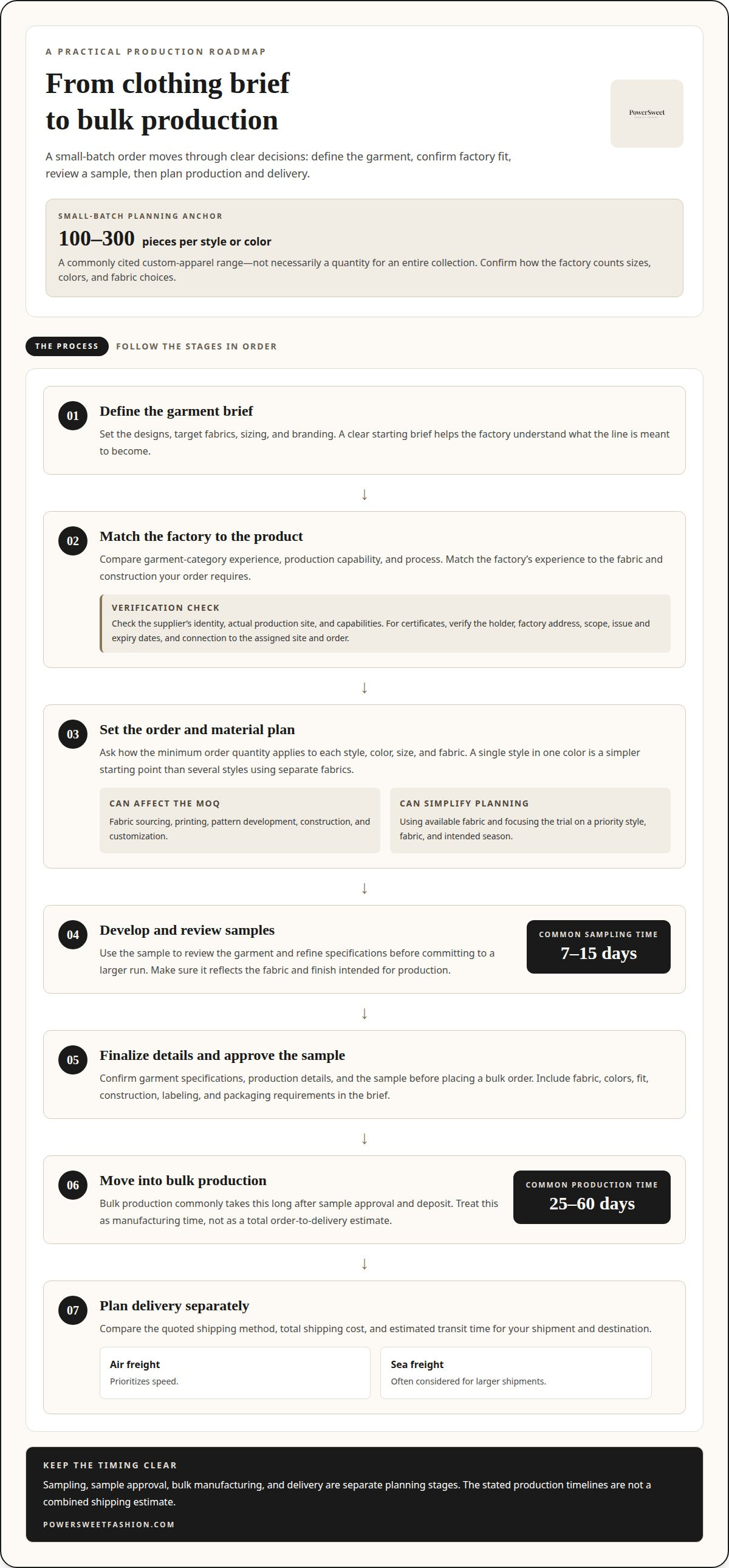
Shipping options generally include air and sea freight. Air freight prioritizes speed, while sea freight is often considered for larger shipments. The right option depends on shipment size, destination, and deadline. Compare the quoted method, total shipping cost, and estimated transit time for your order.
For clothing shipped to the United States, import duties, tariffs, and customs requirements depend on factors such as garment classification, materials, shipment details, and declared value. Confirm the requirements for your specific goods and destination before arranging import clearance.
Developing a clothing line starts with defining the designs, target fabrics, sizing, and branding. Then prepare specifications, develop and review samples, finalize production details, and approve the sample before placing a bulk order. Clear decisions at each stage help the factory produce the intended garments.
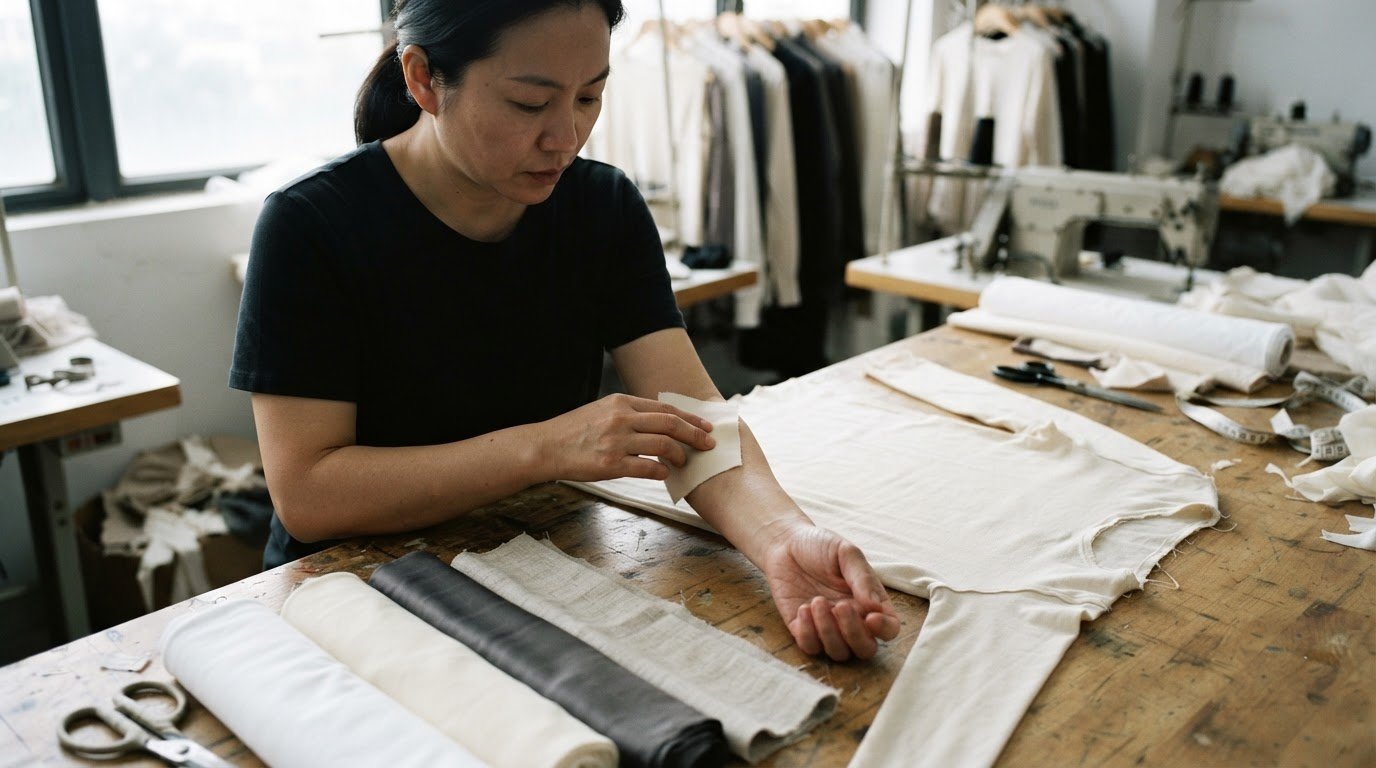
Fabric and customization choices depend on the garment and the factory’s capabilities. Your brief can specify cotton or another fabric, colors, fit, and construction details. Include labeling and packaging requirements as well, so they can be considered alongside the garment specifications.
Sampling in China commonly takes 7–15 days. Bulk production commonly takes 25–60 days after sample approval and deposit. These are market timelines, not a combined shipping estimate; production planning should account separately for sampling, approval, bulk manufacturing, and delivery. Before committing, verify the factory’s relevant category experience and production process.
Q2: Do these Chinese clothing manufacturers offer small-batch orders?
Yes. Some Chinese apparel projects accept smaller runs, but minimum order quantities (MOQs) depend on the garment and production setup. A common custom-apparel range is 100–300 pieces per style or color, so clarify how the factory counts your order.
Minimum Order Quantities
An MOQ is the smallest quantity a factory will produce under agreed terms. The 100–300-piece range applies per style or color, not necessarily to an entire collection. Ask how the factory treats different sizes, colors, and fabric choices within that quantity. A single style in one color is a simpler starting point than several styles using separate fabrics.
Production capacity and material sourcing also affect minimum order quantities. A factory may need to source fabric or arrange printing for a particular design, while using available fabric can simplify planning. Compare the MOQ with your seasonal launch plan, including how many styles you want to test before expanding.
Custom Apparel Order Minimums
Custom clothing involves more production decisions than choosing an existing blank garment. Pattern development, fabric, construction, and printing can each affect setup and order planning. For a custom jacket, for example, the design and fabric determine what the factory needs to prepare before cutting and sewing.
Wholesale blank clothing starts with an existing garment rather than a new pattern. Printing or other customization can still affect order requirements, so distinguish blank-product quantities from customized-product quantities. Ask for the MOQ by style and color, and make sure samples reflect the fabric and finish intended for production.
A small trial can help shape a new clothing range and its sourcing strategy, as Woolworths Museum notes. Keep the trial focused: choose a priority style, define the fabric and intended season, then use sample feedback to refine specifications before placing a larger order. This connects early demand with factory capacity.
To prepare a practical small-run plan, bring together the style, fabric, color, and expected quantity. Plan a small-batch apparel run around those decisions before moving from samples into production.
Factory and supplier verification
Start verification by matching the supplier’s identity, production site, and capabilities to your order. A certificate or product listing alone does not establish that a specific factory will make your garment.
For certification, verify the holder, factory address, scope, issue and expiry dates, and connection to the assigned production site and order. A directory lists 233 suppliers with ISO 9001 certification and 108 with BSCI certification. Treat those figures as directory counts, not proof that a particular production site meets your requirements.
Garment prices depend on fabric, construction, quantity, customization, and quality requirements. Embroidery, for example, adds a production process that differs from a basic wholesale knitwear order. Compare quotes using the same specifications, including garment details and quantity, so any differences reflect the supplier’s offer rather than differing assumptions.
Factory Selection by Brand Needs
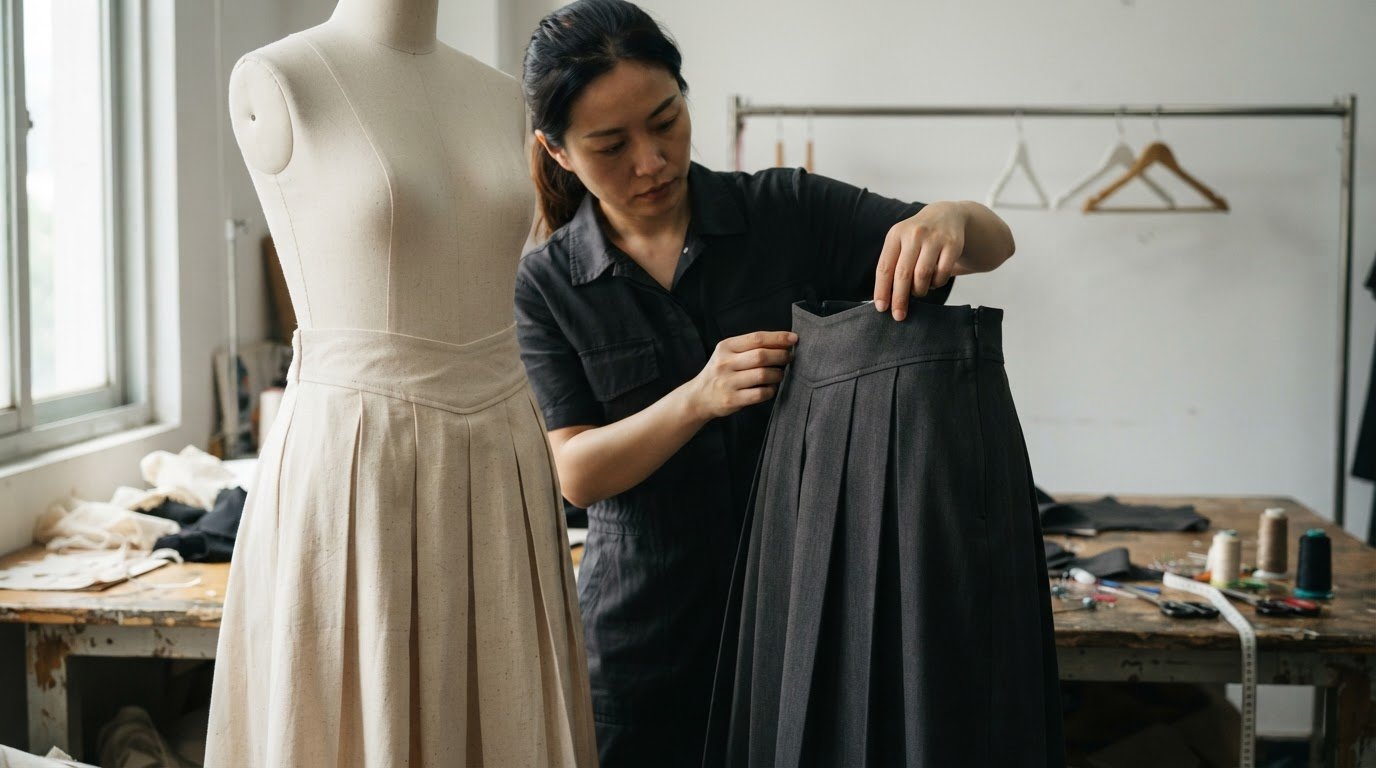
Match a factory’s experience to your product category and production needs. A supplier focused on wholesale basics may not suit a custom garment with detailed embroidery or specialized knitwear construction. Compare relevant samples, fabric handling, customization capabilities, and capacity for your planned quantity. These criteria reveal whether a supplier’s production experience fits your needs, beyond the category terms in its listing.
Factory Visits
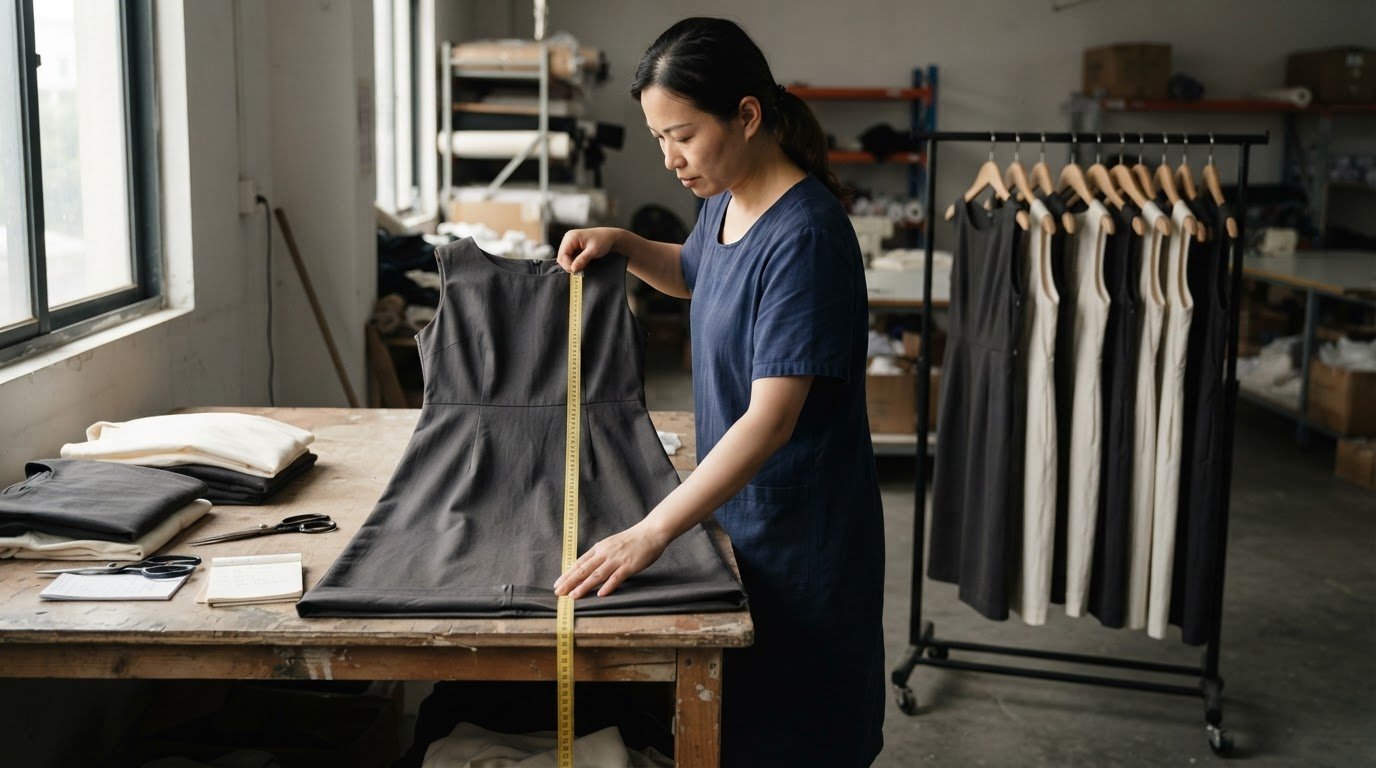
A factory visit can help you compare supplier records with the production site. Review work areas, equipment, material storage, and garment workflow against the products under discussion. Knitwear, for example, requires different machinery and processes from a cut-and-sew garment. Compare what you observe with the quoted production scope and sample, and record any gaps to resolve before approving the order.
Risks for US Brands
US brands should watch for mismatched specifications, inconsistent garment quality, confusion about the production site, and delivery plans that do not fit the launch schedule. Risks increase when the supplier’s identity, certificate details, order scope, or approved sample do not align. Keep the specifications, sample approval, quantity, and production site clearly connected in your order records. Production quality control can help identify deviations before the order is complete.
Chinese private label clothing manufacturer comparison
Compare suppliers by product fit, production scale, and order requirements, not directory rank alone. A factory suited to shirts may not be right for sportswear, swimwear, leggings, or hoodies. Start with your product category, then compare relevant samples, fabric sourcing, customization needs, and capacity for your planned order.
Company size offers context, but it doesn’t prove a factory suits your brand. As of Sep 30, 2026, the median employee size in the listed manufacturers was 51-200 employees. The list also included 73 companies in the 501-1,000 employee size band and 52 in the 1,001-5,000 band.
The largest companies aren’t automatically the best match. The same list included 12 companies in the 5,001-10,000 employee size band and 5 in the 10,001-or-more band. A smaller operation may fit a focused product brief, while a larger supplier may have capacity for broader production. Compare the actual process and order fit.
Location can help organize sourcing. Guangzhou is one of China’s listed apparel manufacturing hubs, alongside Dongguan, Hangzhou, Ningbo, Foshan, Shandong, and Jiangsu province. Consider how a supplier’s location fits your communication and production needs, then assess its experience with your product. A city name alone does not establish expertise in a garment category.
Use a consistent comparison sheet to record each supplier’s relevant samples, fabric options, production scope, order requirements, quality-control steps, and communication process. For example, compare two hoodie suppliers using the same fabric, design details, and quantity. This makes differences easier to interpret than comparing unrelated quotes.
Keep sourcing decisions tied to your launch plan. A focused collection of leggings, for example, needs a supplier whose production experience matches those garments and your quality expectations. Compare evidence of relevant work, not broad claims covering every apparel category. For a coordinated sourcing and production plan, discuss your clothing production needs.
PowerSweet Fashion: Custom Women's Clothing Production
PowerSweet Fashion supports women’s apparel brands with custom garment development and bulk production. Its services include Sample Development, Fabric Sourcing, Custom Women’s Clothing Production, and Quality Control Services, connecting design decisions with the finished order.
For a new style, sample development gives the brand a chance to review fit and construction before moving into bulk. Samples are ready in 10 days, and bulk production takes 15–20 days. These timelines help teams plan the steps between approving a design and preparing an order.
Turn to PowerSweet Fashion when you have a women’s clothing concept, fabric direction, or sample brief to develop. Share your designs, target materials, and order requirements to start a production conversation. Contact PowerSweet Fashion to discuss your clothing project.
Turn your clothing concept into a clear production brief
Your next step is to turn your brand direction into decisions the production team can act on. Define the garments you want to develop, the details that matter most to your customers, and the requirements that must stay consistent across the range. A focused brief makes discussions with a private label clothing manufacturer in China more productive by clarifying priorities before development begins.
Separate essential specifications from preferences. Note the design elements that define your brand, the changes you would consider, and the questions you want answered during development. This gives both sides a practical starting point and keeps decisions connected to the finished garments you have in mind.
When you’re ready to discuss your women’s clothing project, contact PowerSweet Fashion. Bring your concept and priorities, and take the next step toward building a production plan that fits your brand.
Frequently Asked Questions
How do I get contact information for these companies?
Start with a supplier directory or the company’s business profile, then match the listed contact to the factory or production entity handling your order. Send a concise inquiry that includes your garment category, design brief, expected quantity, and destination market. For custom knitwear, for example, state whether you need pattern development, sampling, or bulk production so the response addresses the right scope.
Q3: Are these manufacturers certified for quality and sustainability?
Some suppliers hold quality or social-compliance certifications, but a certificate doesn’t establish every aspect of a factory’s work. PowerSweet Fashion reports a SMETA 6.1 audit, BSCI monitoring, and Global Recycled Standard certification. These credentials refer to different standards and shouldn’t be treated as interchangeable. For sustainability claims, identify the specific material or process covered rather than assuming one certification proves broad environmental performance.
What is the typical MOQ for private label clothing manufacturers in China?
A common MOQ for custom apparel projects in China is 100–300 pieces per style or color. The relevant quantity depends on the design, fabric, customization, and production setup. For planning, separate your total launch quantity by style and color, then consider how sizes will be distributed within each run. This makes the MOQ’s effect on your actual assortment easier to assess.
How much does private label clothing manufacturing in China cost per garment?
Per-garment pricing depends on the project, and a quote is provided after the required details are received. Cost factors include order volume, fabric complexity, and garment construction. A quote for a basic top may differ from one requiring detailed construction or special materials. PowerSweet Fashion provides a quote based on your pattern, tech pack, and fabric. If you do not have a pattern, PowerSweet can create one before providing the quote.
How long do sampling and bulk production take at Chinese clothing factories?
PowerSweet Fashion says it can have samples ready in 10 days and complete bulk production in 15–20 days. Allow time for reviewing the sample and resolving fit or construction changes before bulk begins. For example, revising a sleeve or fabric choice can affect the production schedule. Keep sampling, approval, manufacturing, and shipping as separate planning stages.
What fabrics, customization, labeling, and packaging options do Chinese clothing manufacturers offer?
Options depend on the garment and the factory’s capabilities. Specify the fabric, colors, fit, construction, labeling, and packaging in your brief so these requirements can be assessed together.
Comments